The 2026 Olympic Youth Empowerment Week was held at Beijing Sport University (BSU) from October 18 to 24. Organized by the Chinese Olympic Academy (COA), the event brought together two flagship programs—the Olympic Youth Elite Training Camp and the National Collegiate Model IOC—under the theme “Safeguarding and Co-constructing: Youth Practices of Olympism 365”.
Combining theoretical learning with practical training, the Week provided a platform for young sports professionals to strengthen their capabilities in international sports governance and gain hands-on experience. It also aimed to generate practical insights and outcomes that can be applied in other contexts and promote the implementation of the Olympism 365 strategy at the community level.
Real-World Challenges, Youth Solutions
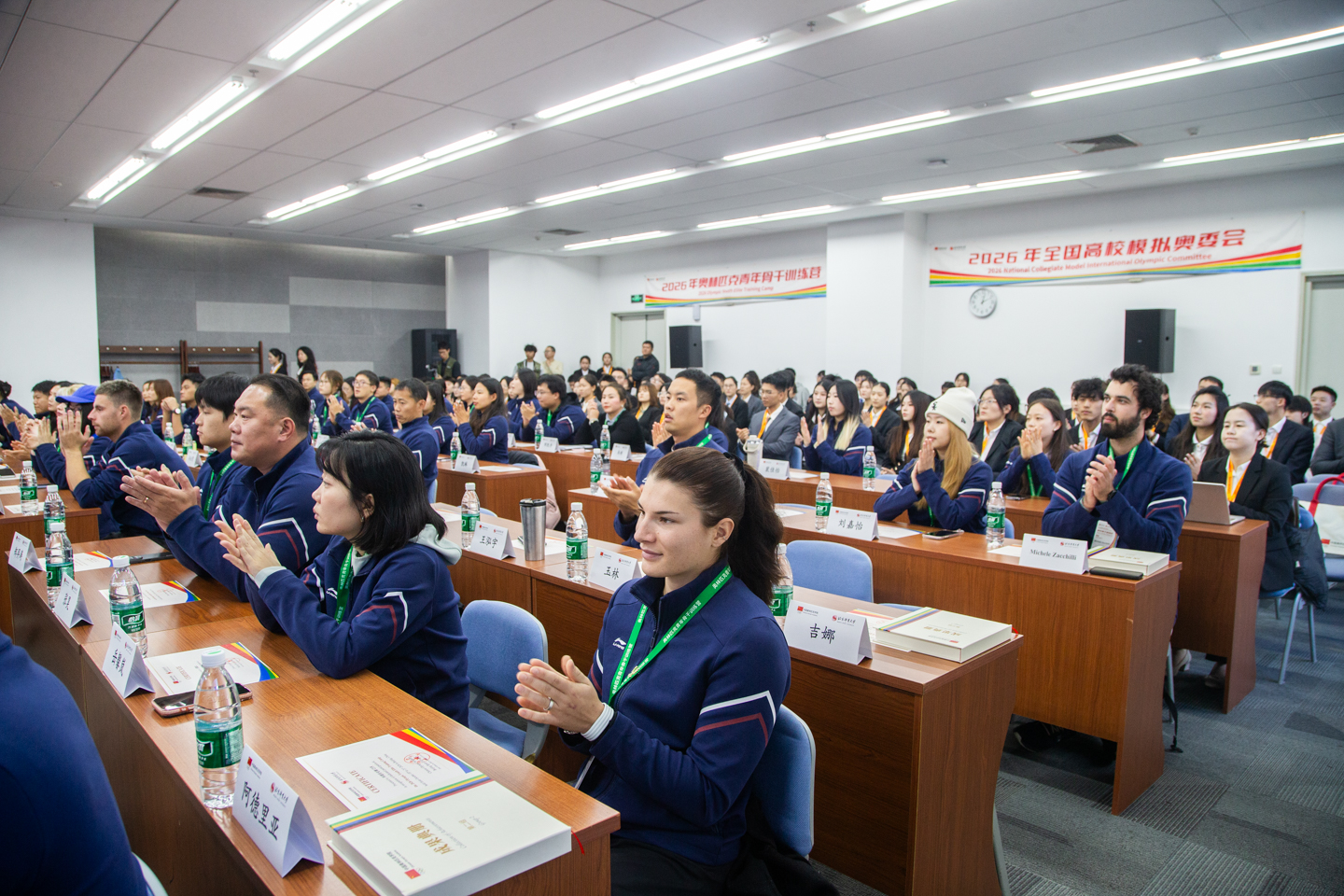
The 2026 Olympic Youth Elite Training Camp officially opened at BSU on October 19. A total of 65 participants from 19 countries and regions—including Switzerland, Italy, Greece, Singapore, the Republic of Korea, and Gabon—joined the camp, comprising representatives of Olympic academies from these countries and regions, representatives of the 10 Olympic Studies and Research Centres (OSRCs) in the Chinese mainland certified by the IOC’s Olympic Studies Centre (OSC), as well as young sports management professionals, sports administrators, athletes and coaches involved in the Olympic movement from China and abroad.
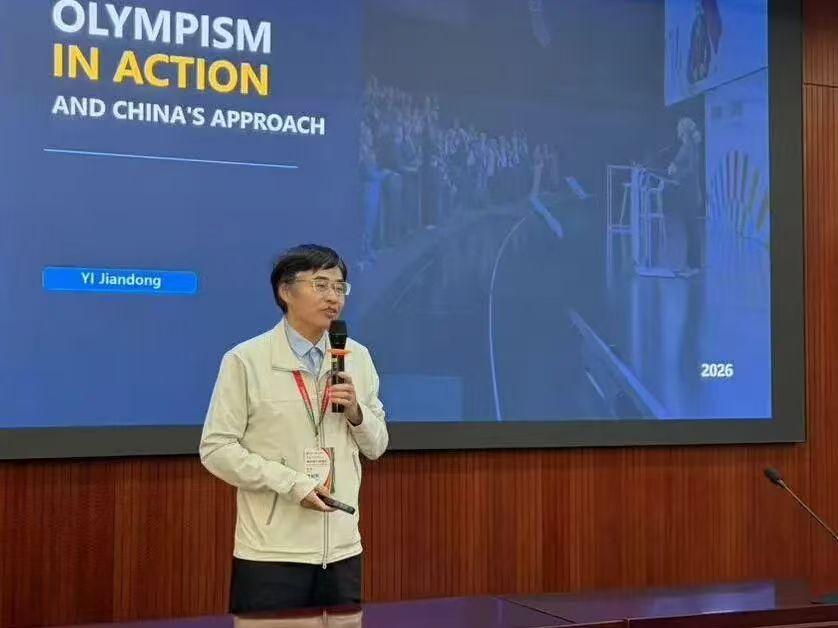
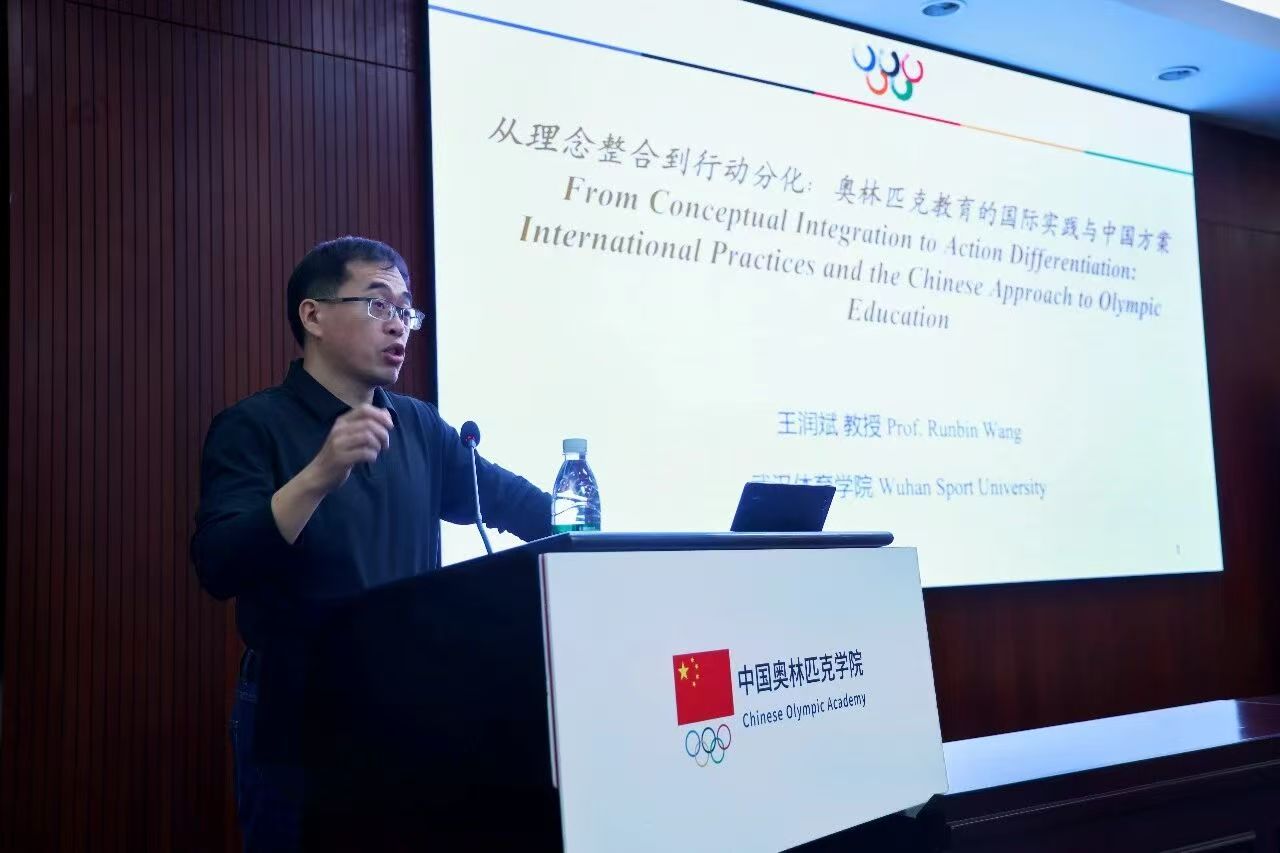
Professor Yi Jiandong of Wenzhou University delivered the first lecture, exploring how the Olympic spirit has taken root in China and resonated with traditional Chinese sports culture. Professor Wang Runbin of Wuhan Sports University broadened the discussion to a global perspective, comparing approaches to Olympic education across different civilizations and tracing their evolution. He invited participants to explore how China’s experience could contribute to Olympic education worldwide. Associate Professor Li Jing of BSU emphasized that the Olympic legacy extends far beyond major sporting events: it is a shared heritage that young people must help protect and pass on to future generations.
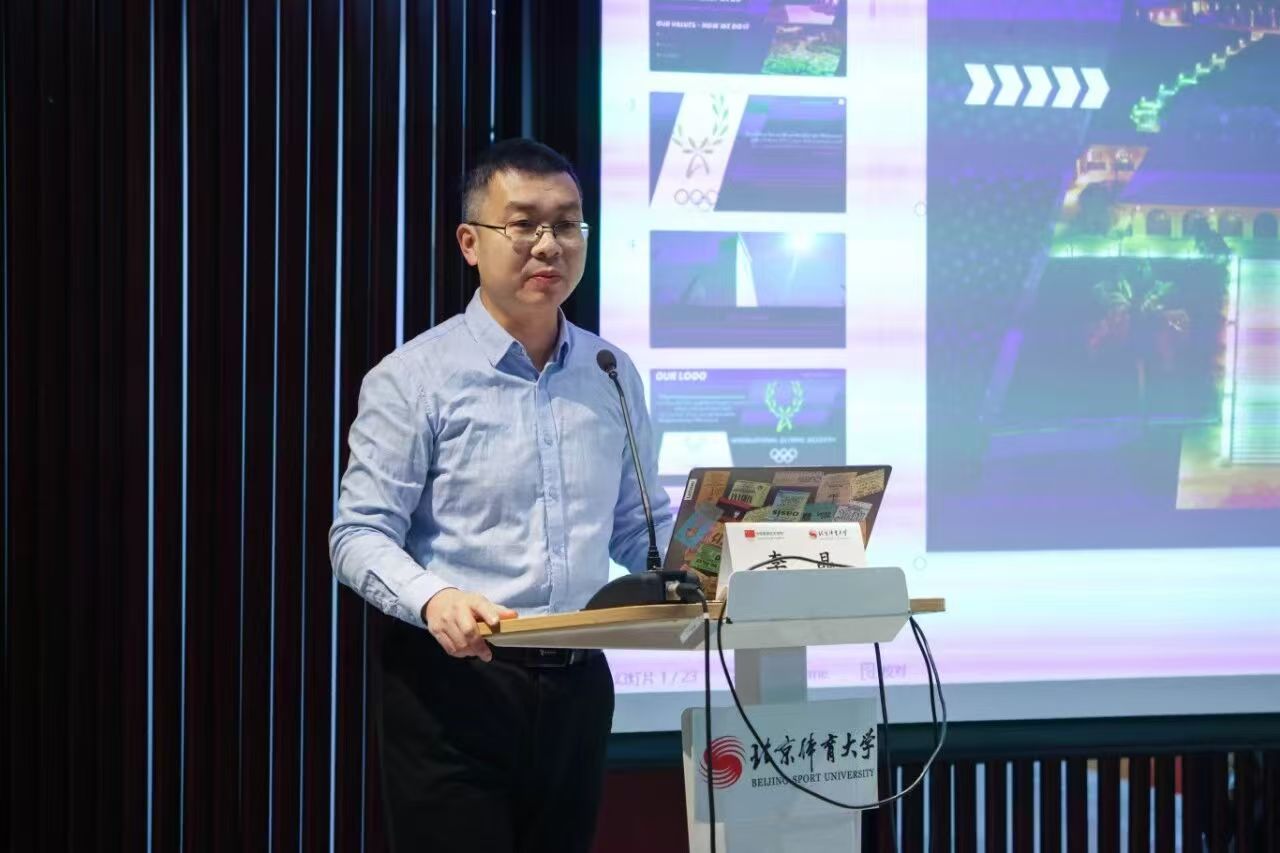
Closed-door practical workshops focused on four emerging issues: safe sport and athlete safeguarding, athlete career development and transition support, inclusive community sport and participation of marginalised groups, Olympic Games legacy and benefits for host communities.
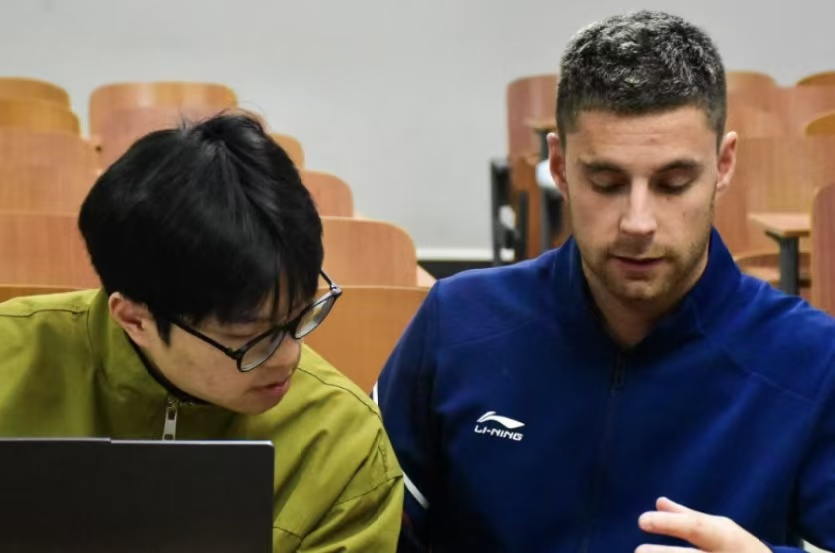
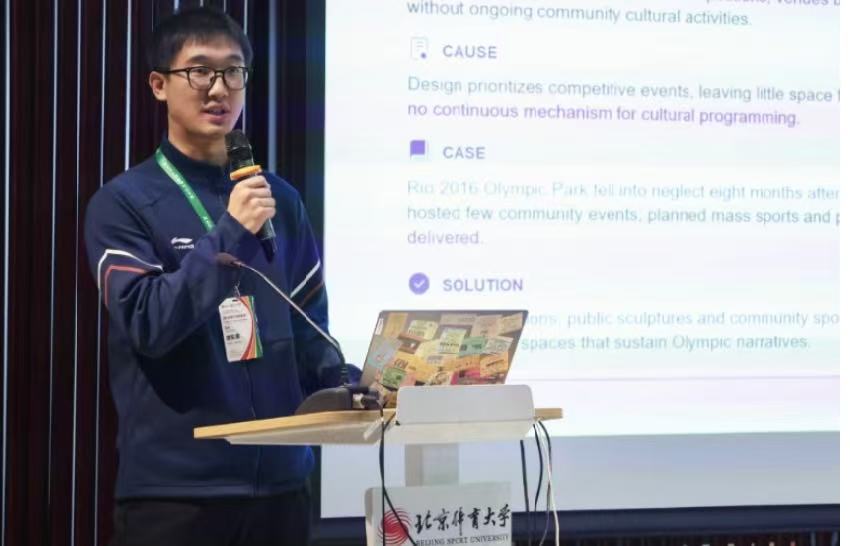
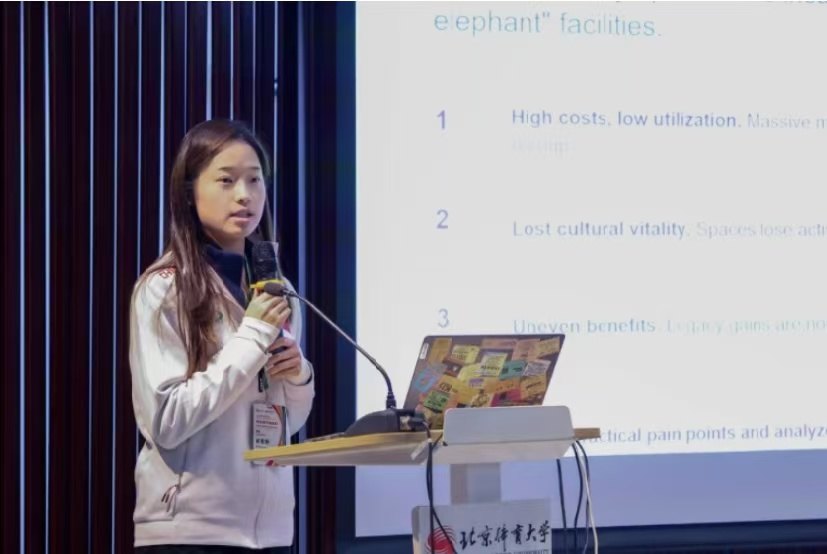
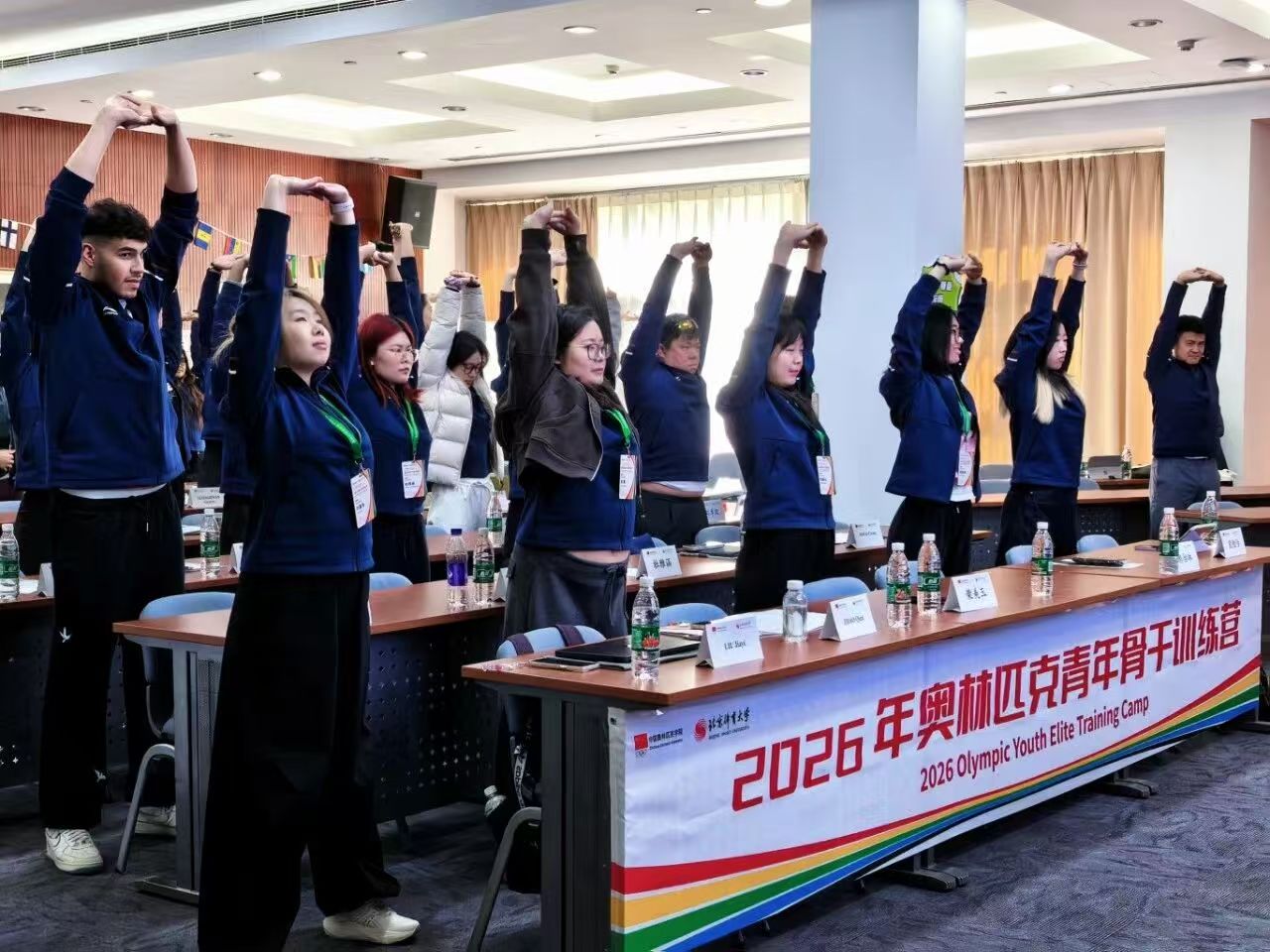
Participants also experienced traditional Chinese culture through a baduanjin session (a traditional Chinese aerobic exercise) led by Liu Xiaolei, a world wushu champion and professor at BSU.
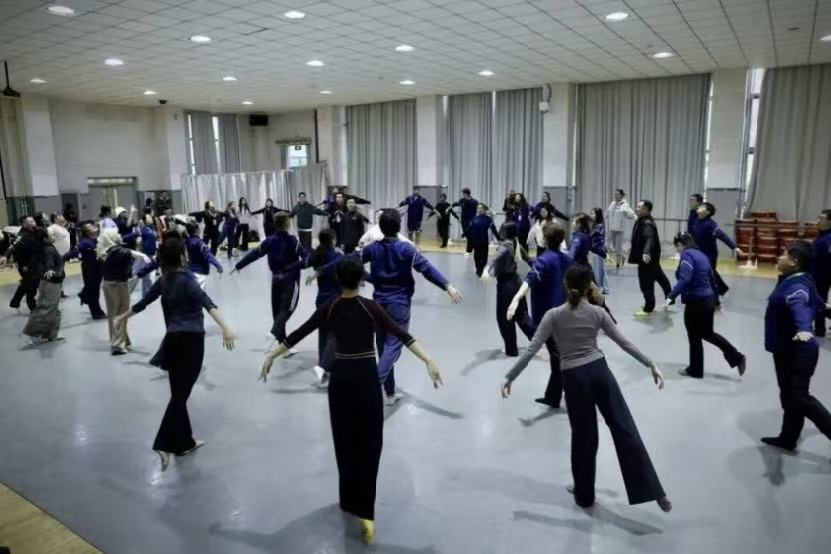
In a session titled “Olympic Rings” in Dance: Chinese Expression of Olympic Aesthetic Education, Chinese dance movements and Olympic imagery were blended together, allowing participants to experience the profound meaning of mutual learning among civilizations through dance.
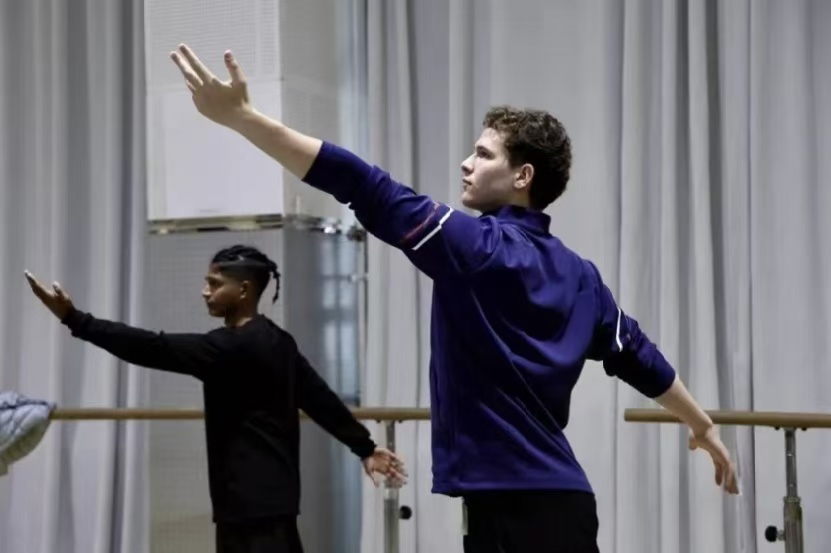
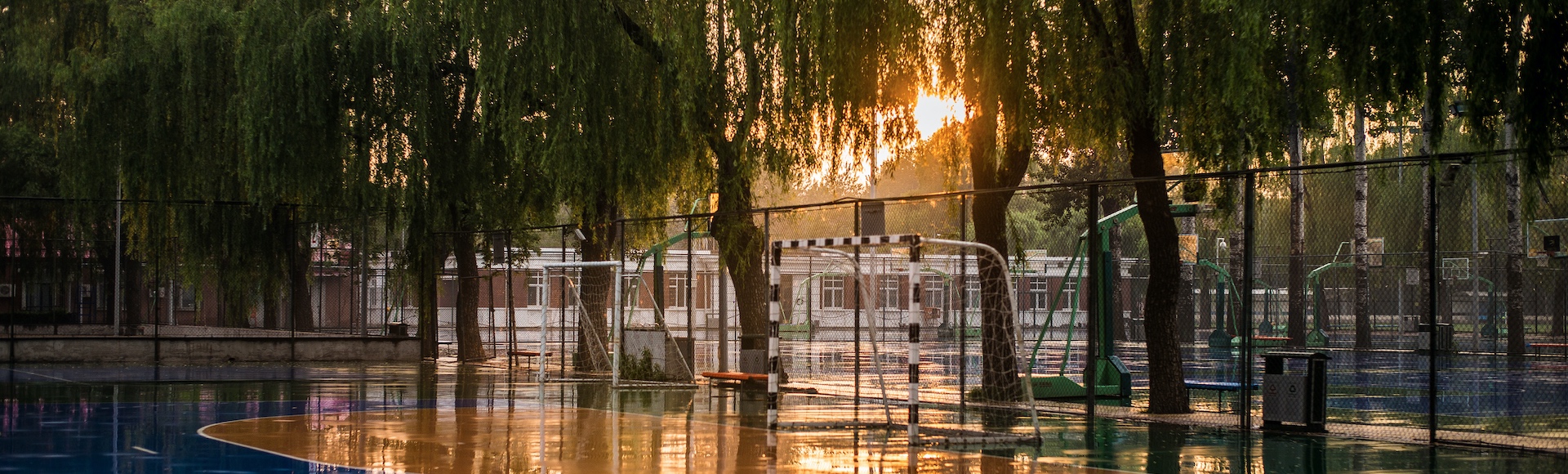
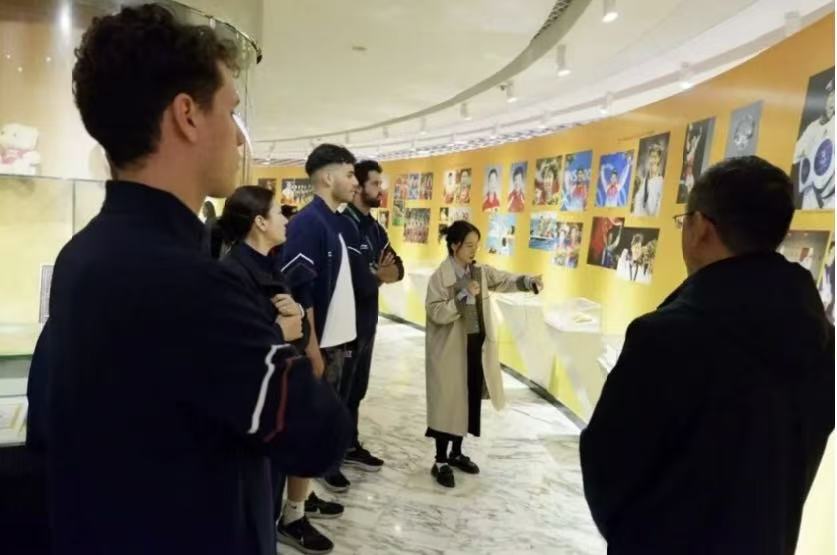
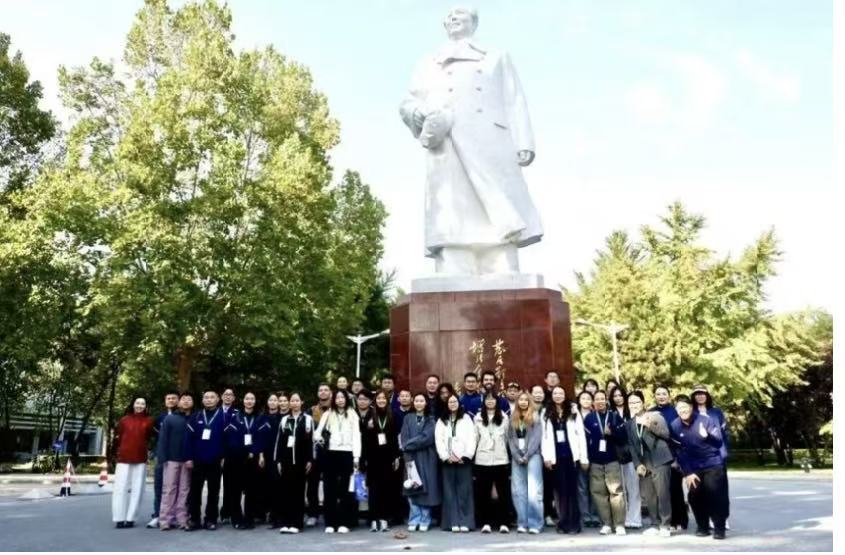
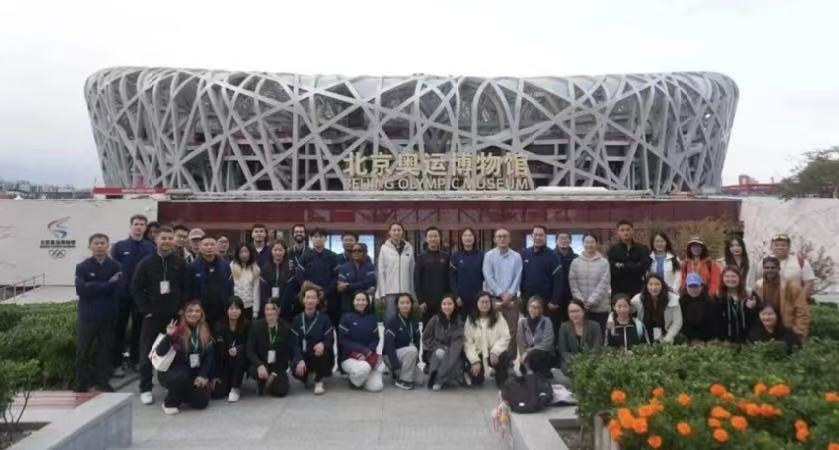
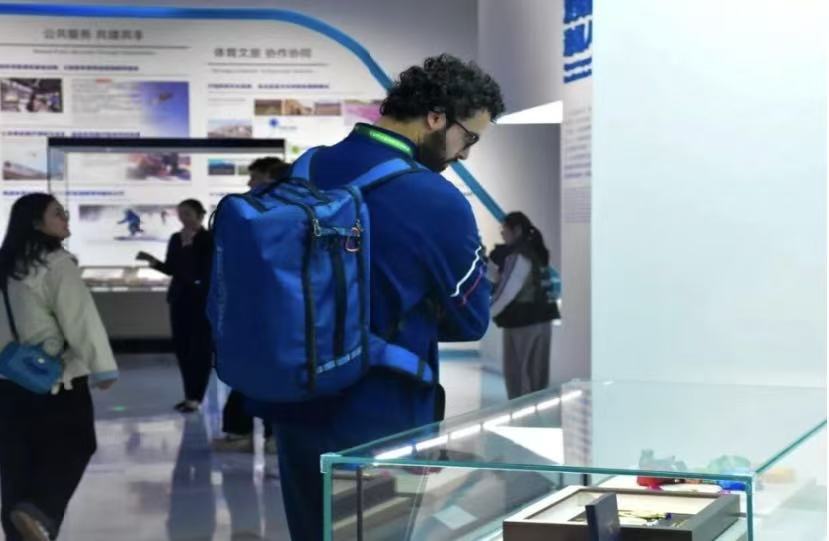
The camp also extended its classroom to campus sports venues and the Beijing Olympic Museum, enabling participants to understand Olympic stories in real settings.
Passing the Torch, Embracing the Olympic Spirit
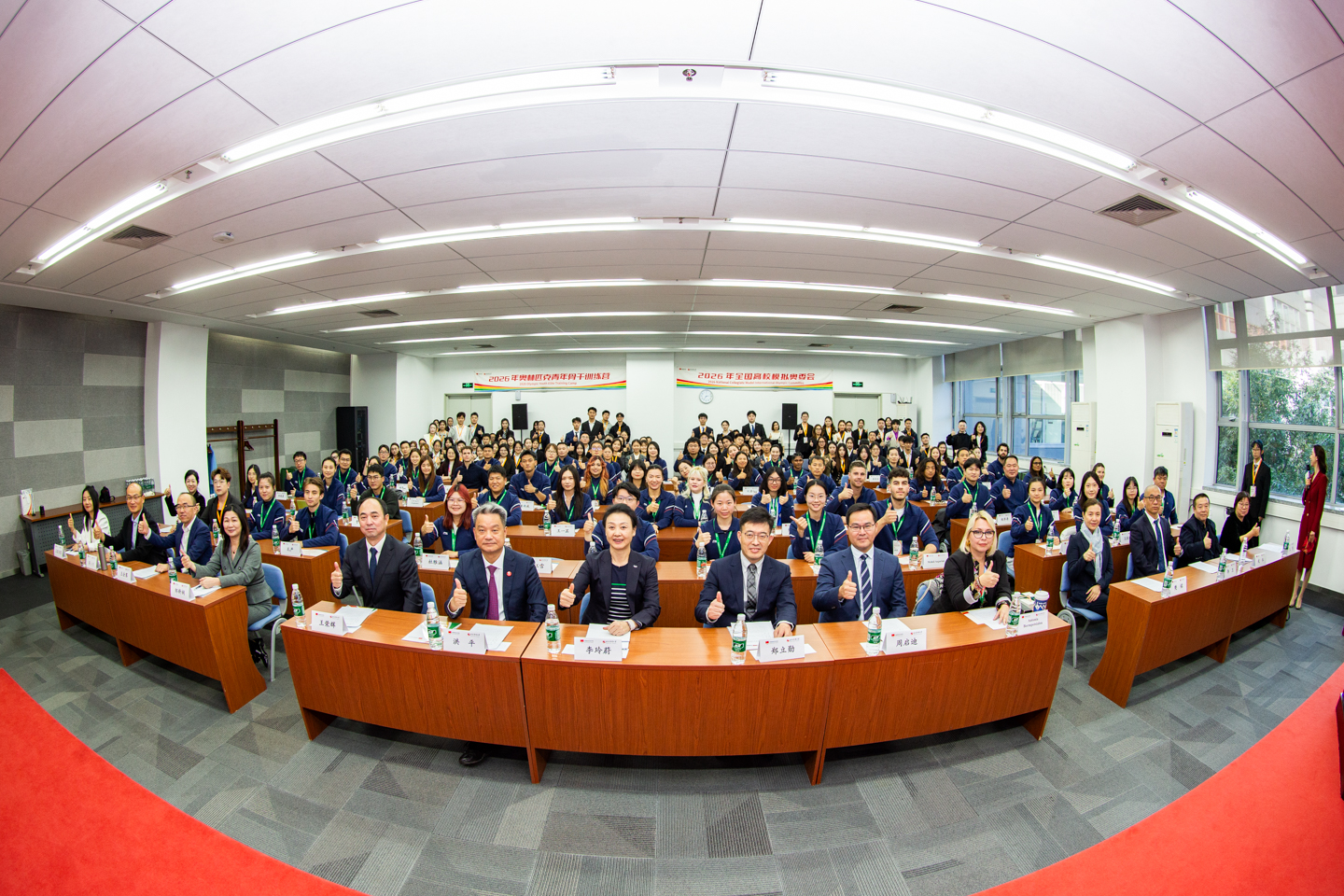
On October 21, the handover ceremony for the Olympic Youth Elite Training Camp and the National Collegiate Model IOC was held at the National Training Center Complex.
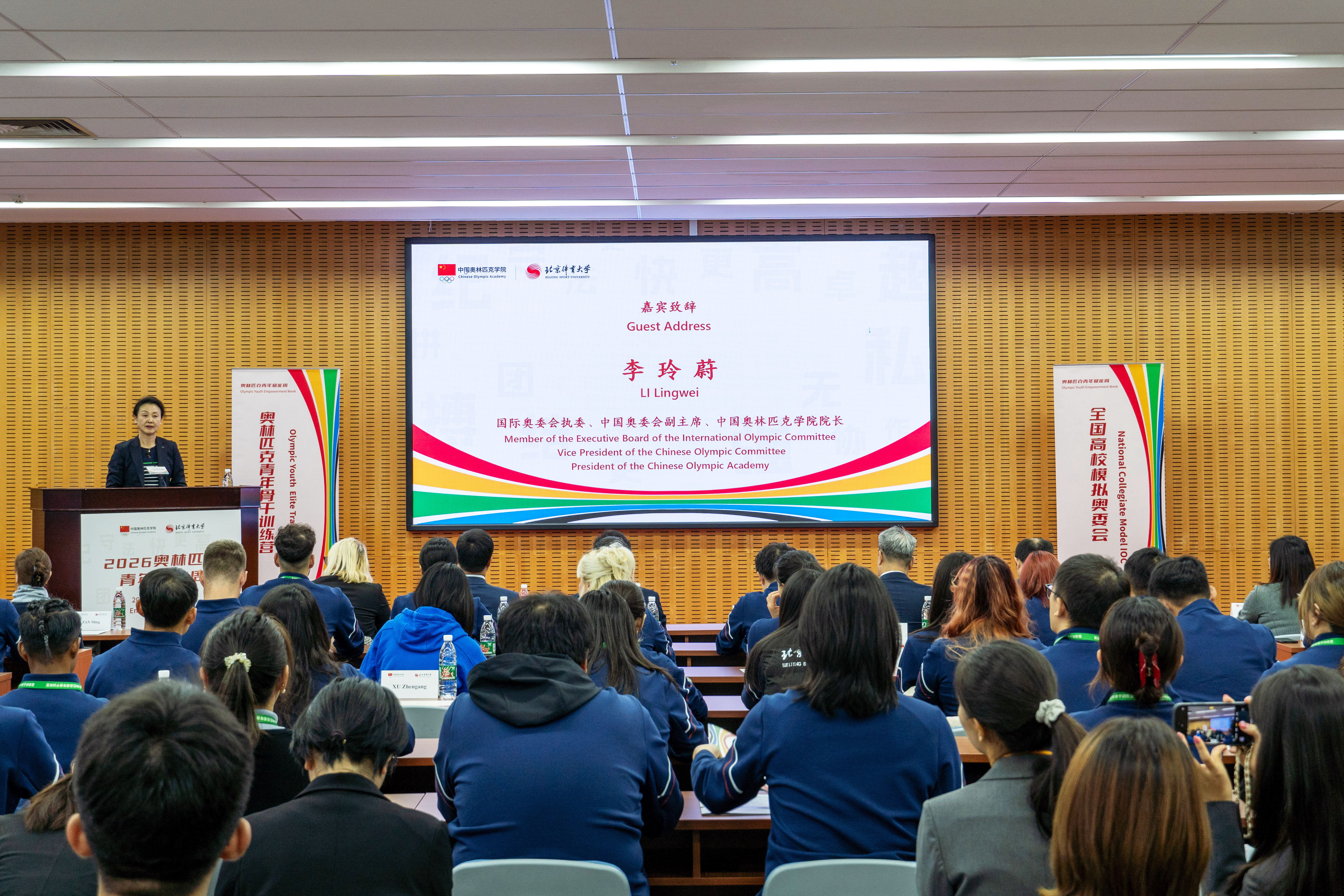
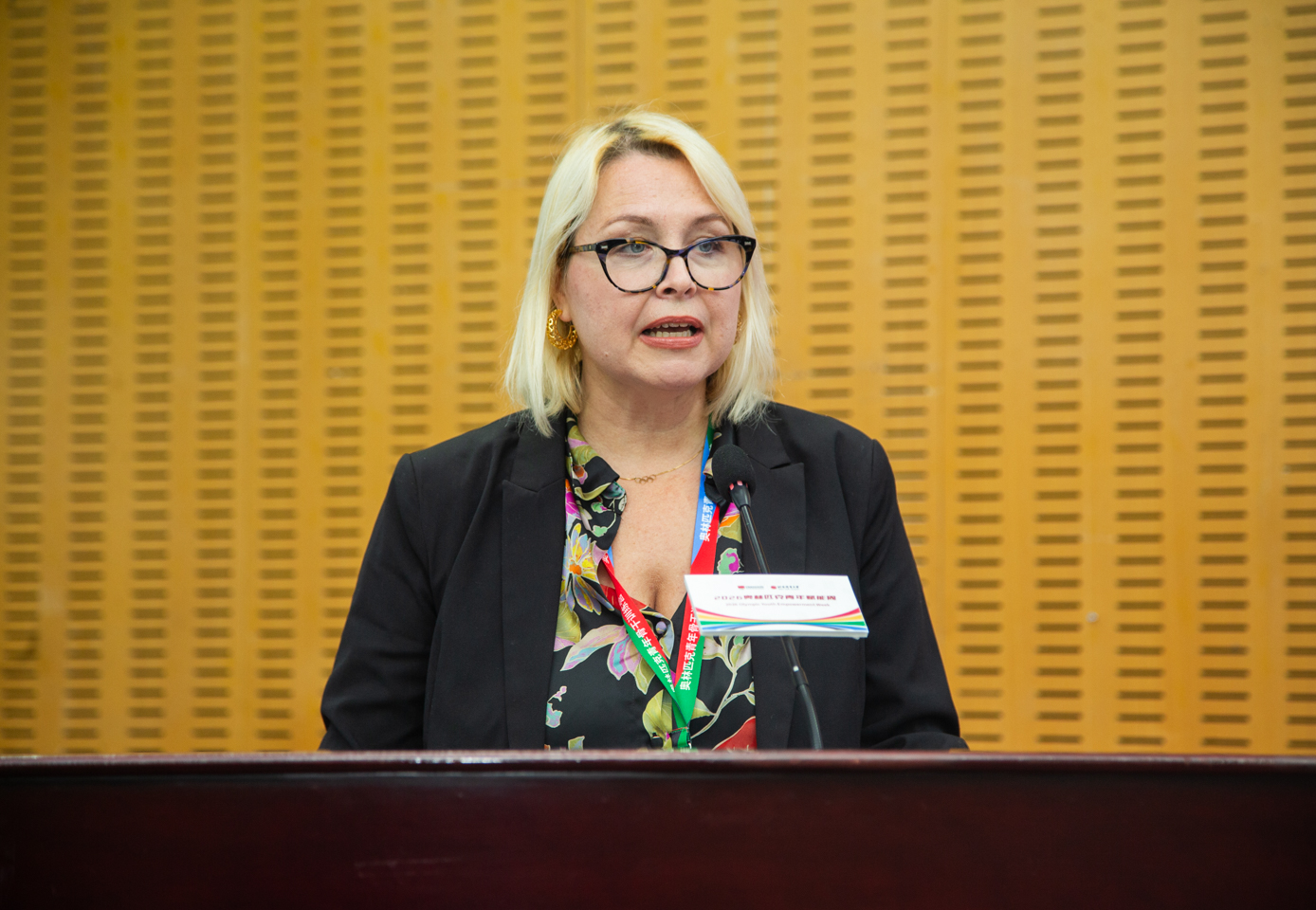
Antonia Bormpotsialou, project manager at the International Olympic Academy (IOA), stressed that the Chinese Olympic Academy has continued to advance Olympic education, talent development and international cooperation in recent years. She said the Olympic Youth Empowerment Week programs offered a meaningful expression of the Olympism 365 vision.
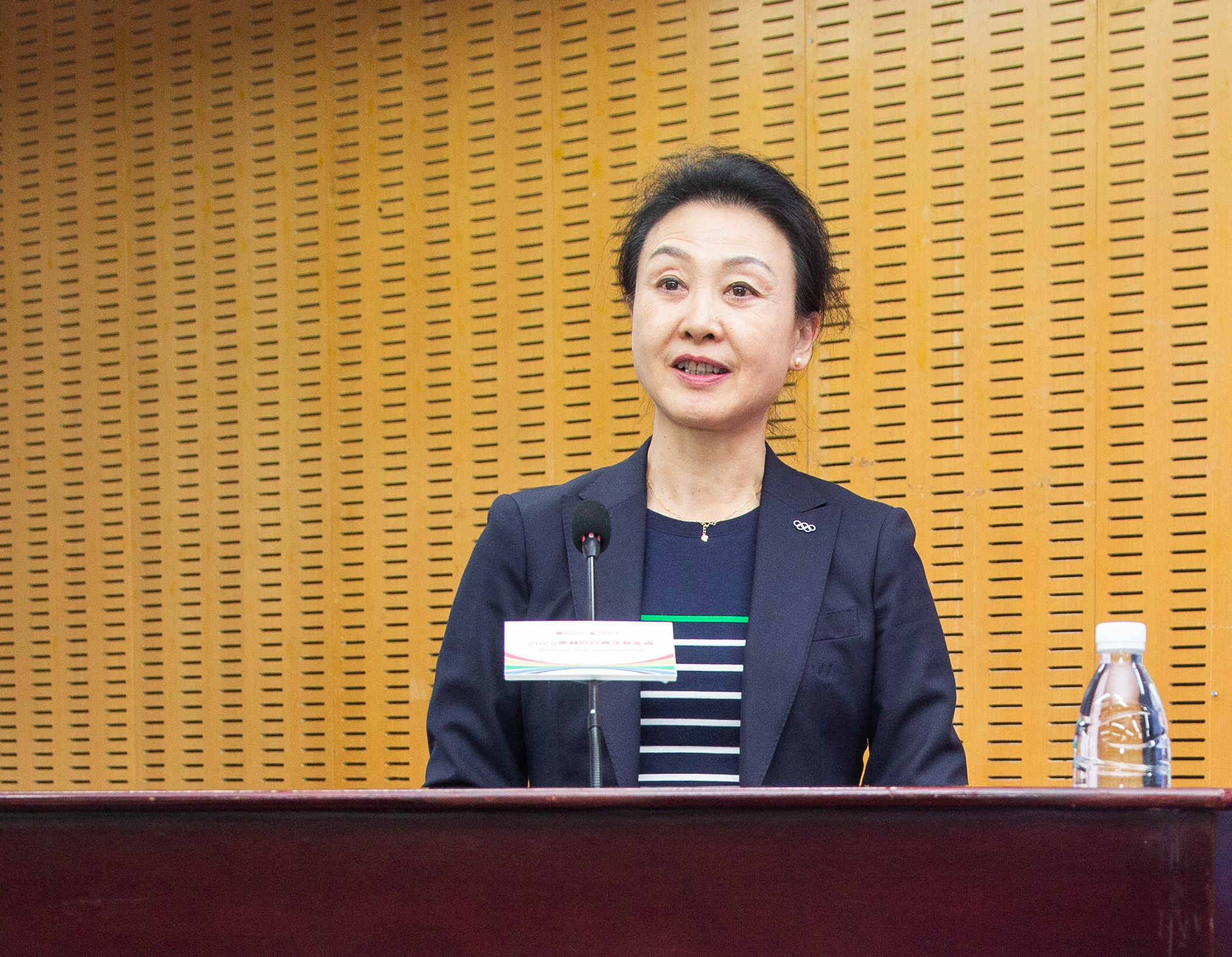
Li Lingwei, IOC Executive Board Member, Vice President of the Chinese Olympic Committee, and President of the Chinese Olympic Academy, emphasized that China’s influence in international sports depends not only on medals won in competition, but also on a new generation of young professionals with knowledge of international rules, cross-cultural communication skills and the preparation needed to contribute to global sports governance.
Youth in Dialogue, Shaping the Future of Sports Governance
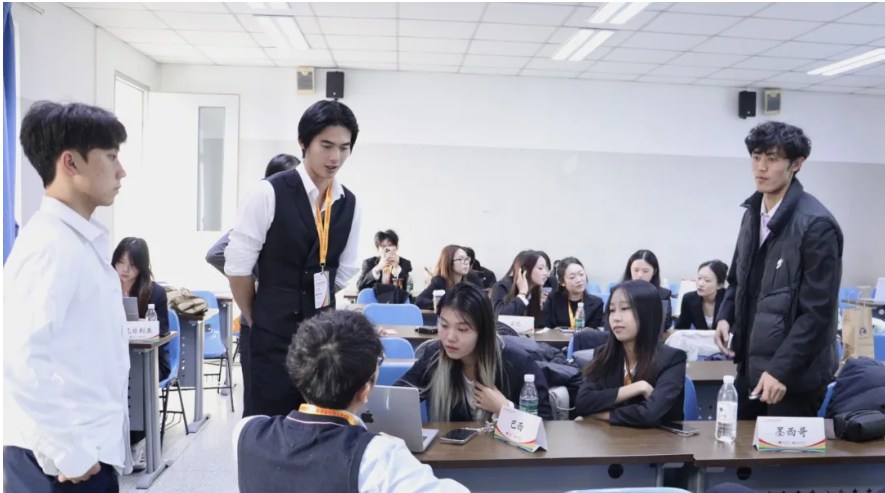
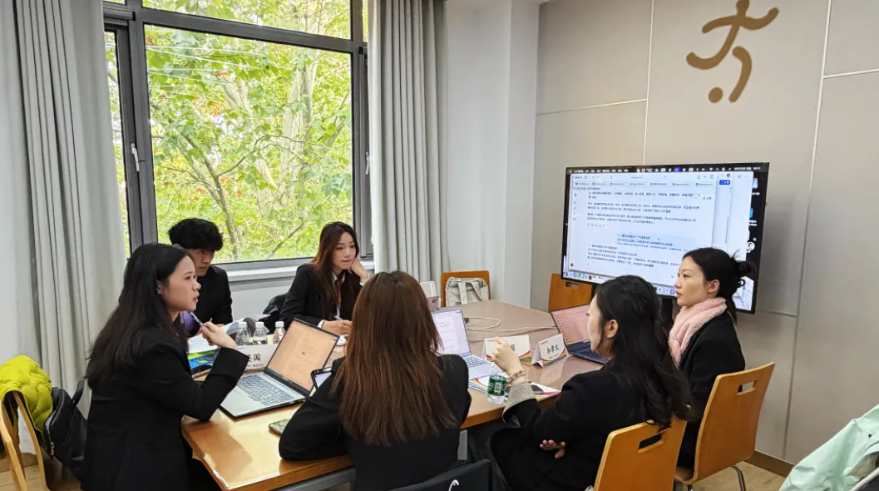
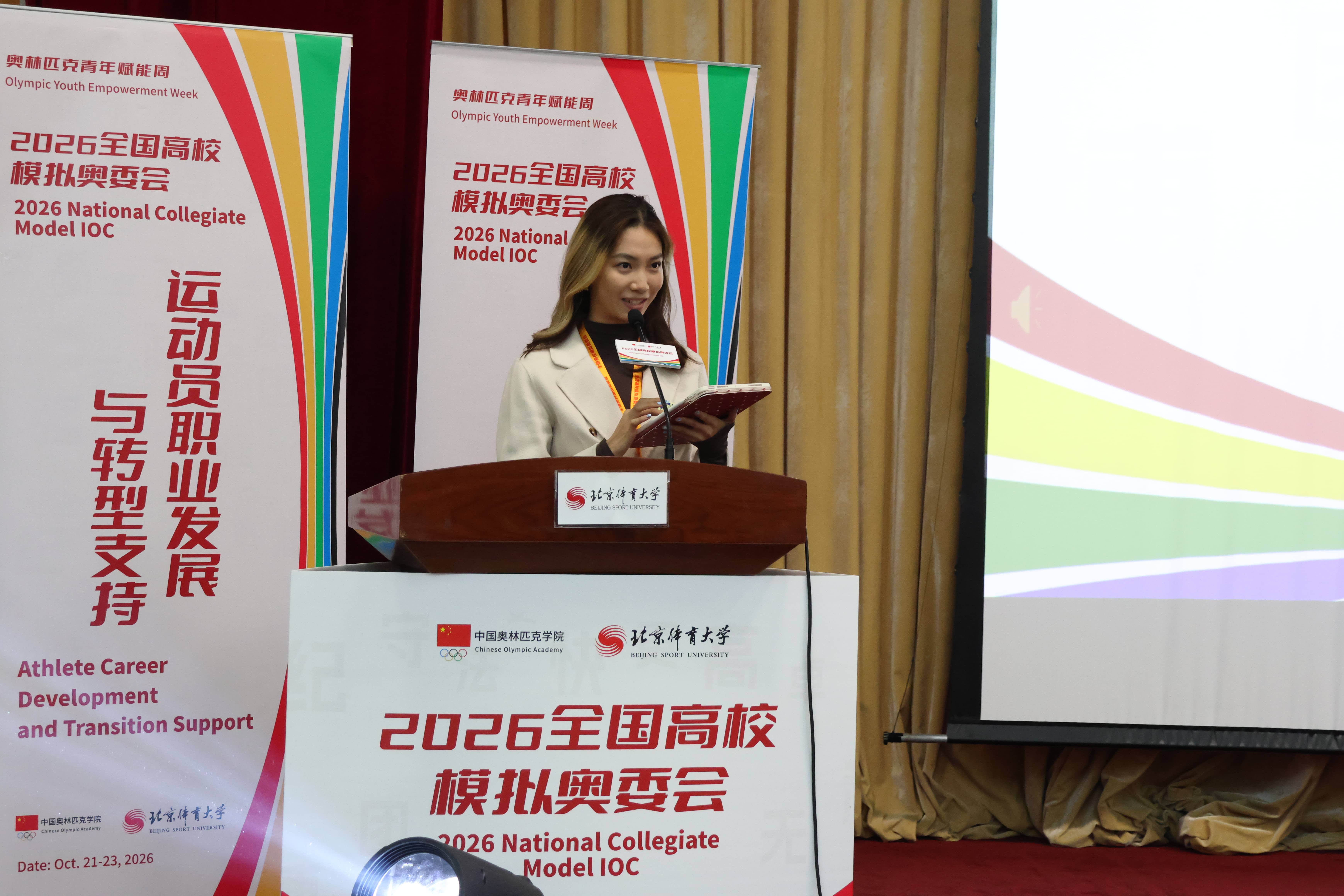
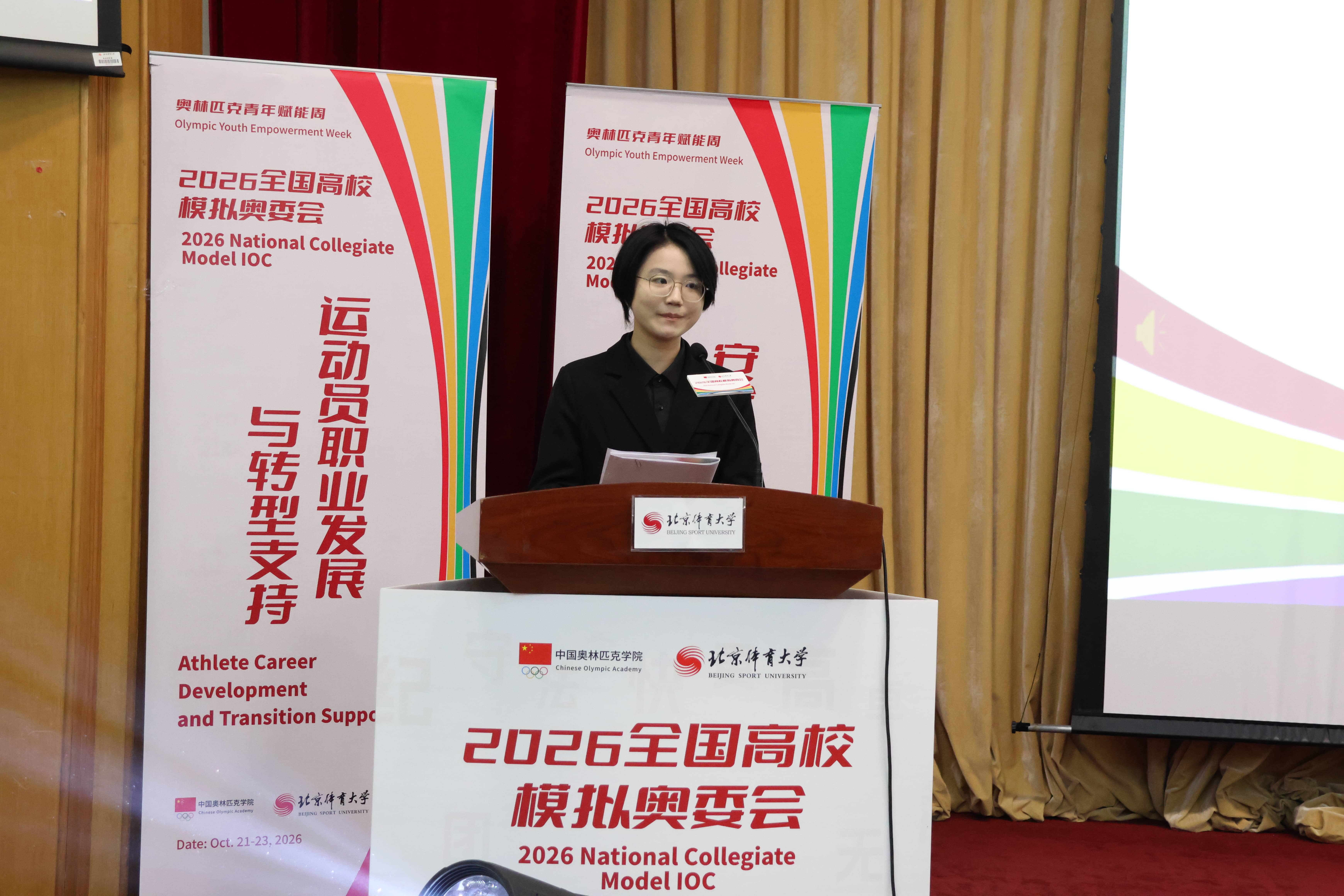
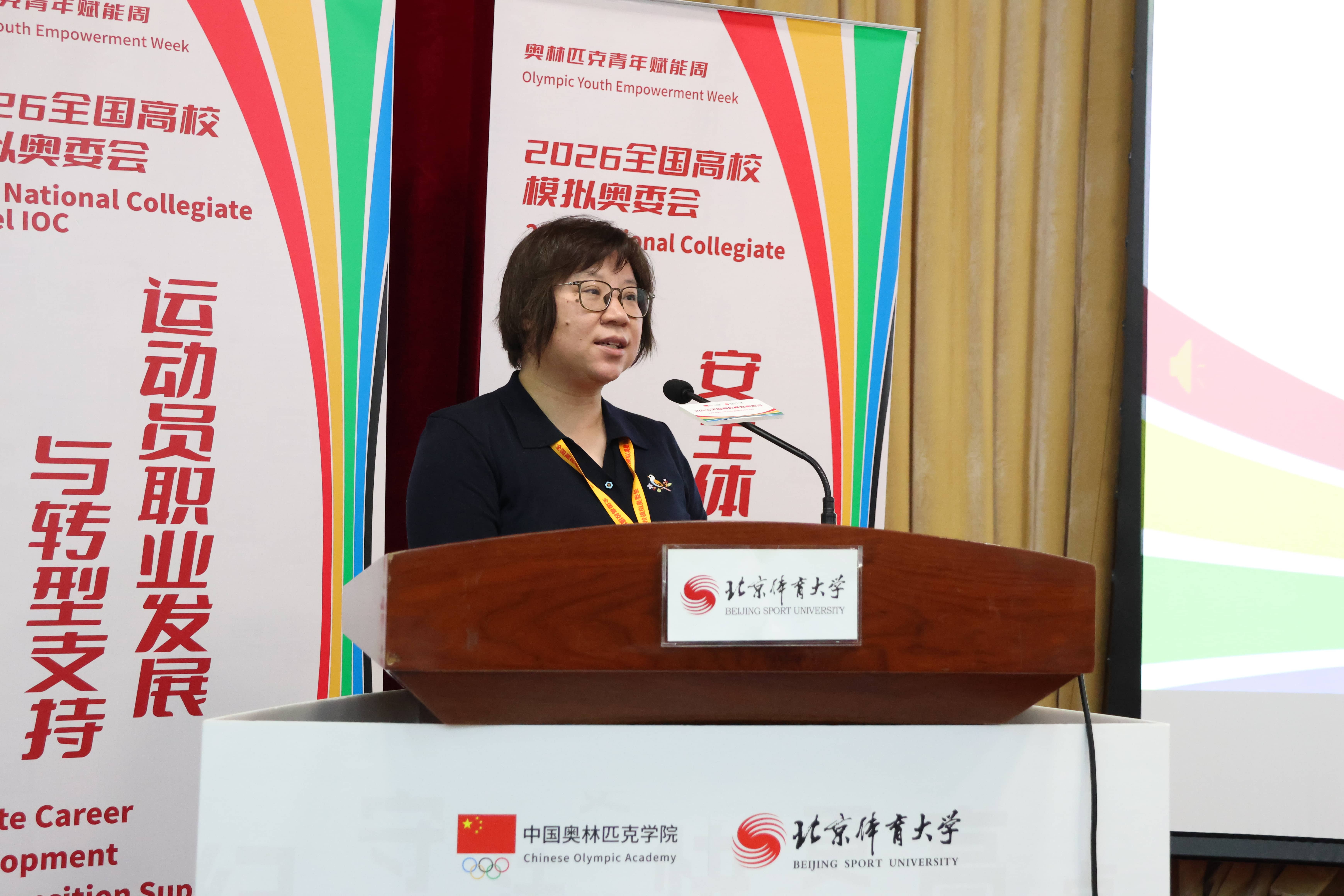
The National Collegiate Model IOC was held at BSU from October 21 to 24. The program brought together 75 student representatives from 33 leading Chinese universities, including Tsinghua University, Peking University and Fudan University, to simulate the IOC’s organizational structure and decision-making processes.
The simulation featured seven stages, namely position statements, moderated caucuses, unmoderated caucuses and draft resolution drafting, debates on draft resolutions and further unmoderated caucuses, amendment negotiations, voting on amendments and final voting. Through the process, participants practiced negotiation, policy discussion and decision-making in a simulated international sports governance setting.
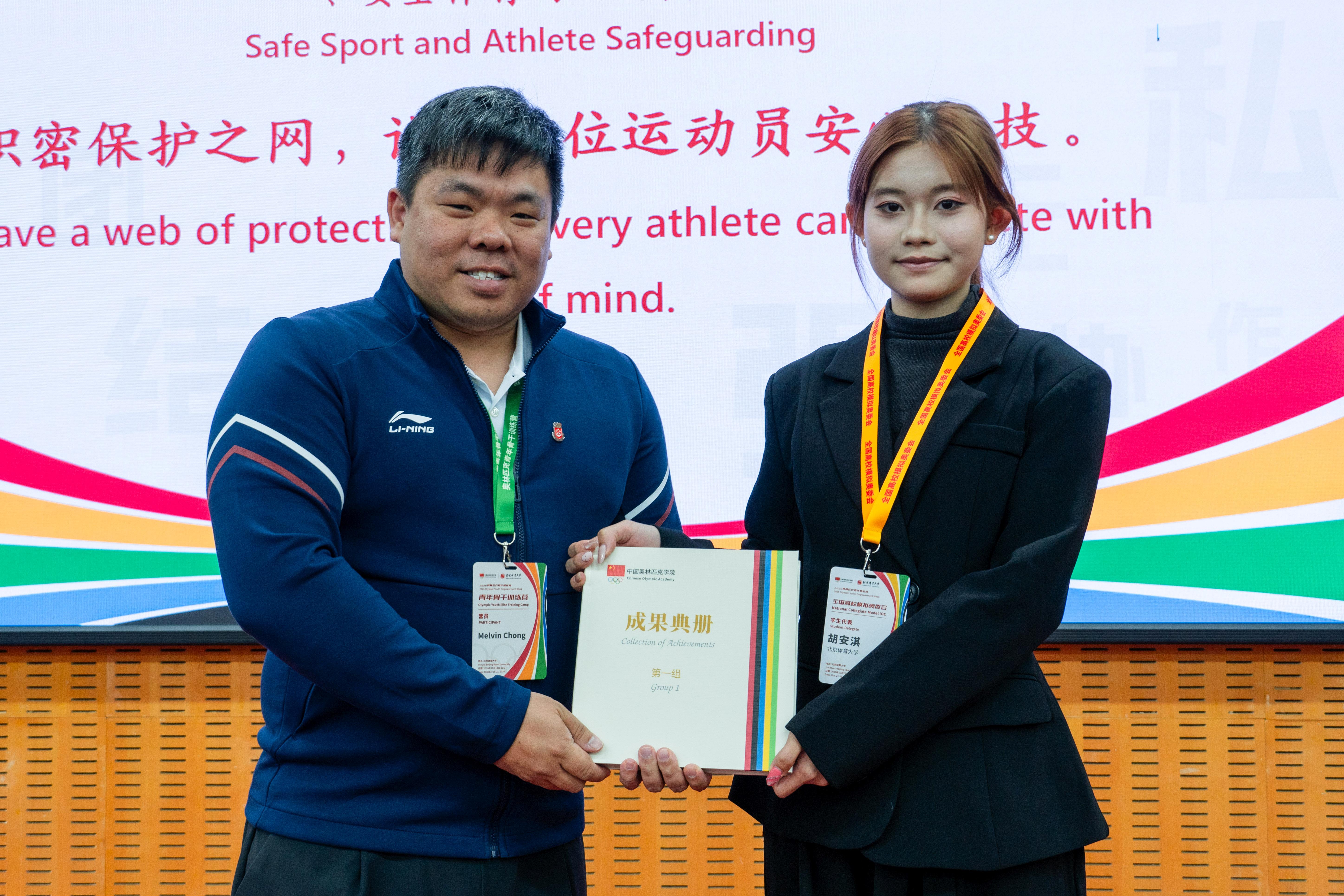
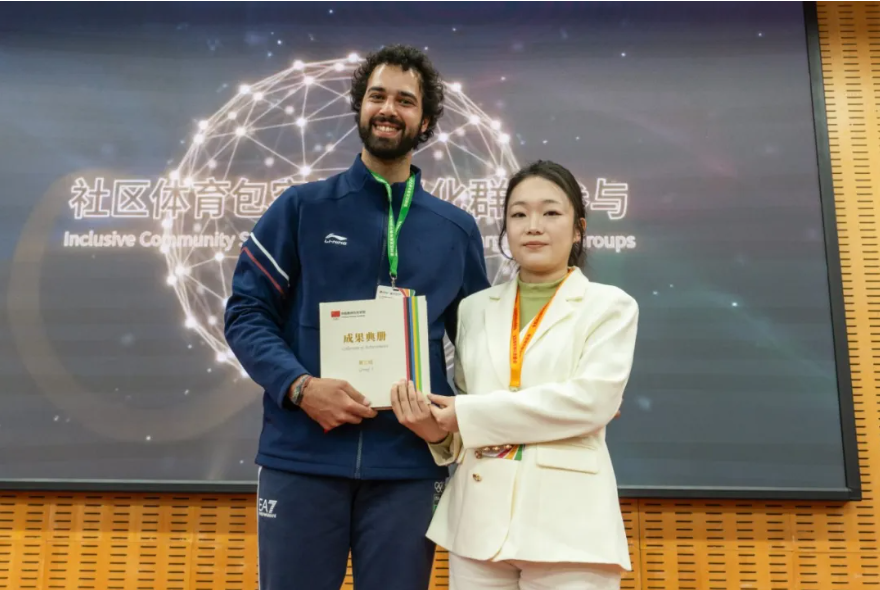
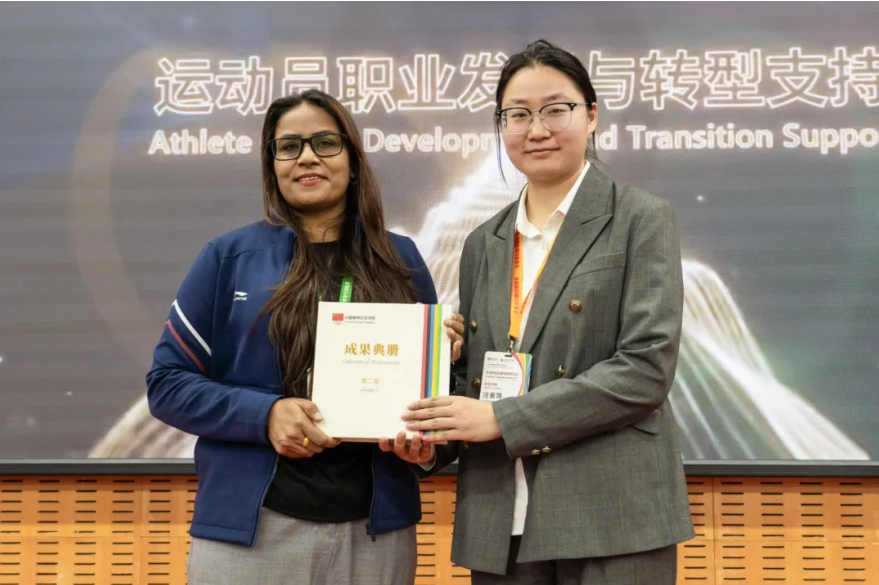
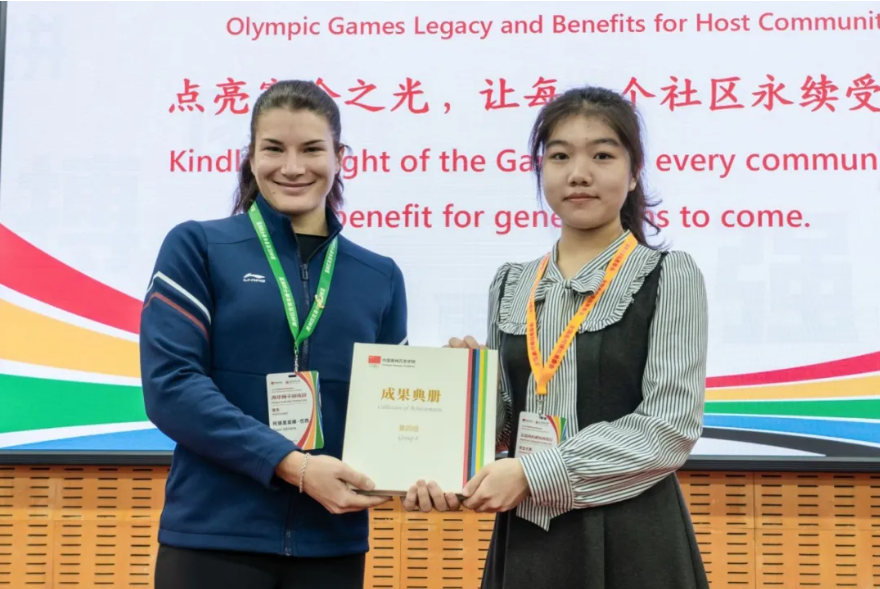
During the sessions, participants demonstrated a strong grasp of procedural rules and engaged in thoughtful and confident debates, reflecting their understanding of Olympic values.
Sports activities and a friendship night turned the camp into a vibrant celebration of youth and sport, giving participants a chance to connect, spark ideas off one another and build friendships that will endure long after the final whistle.
The National Collegiate Model IOC is a signature initiative developed by BSU. It has held more than 30 sessions to date and was expanded into a national university-level program in 2025 by the COA.
Through these initiatives, BSU continues to create platforms for young people from different institutions and backgrounds to learn through practice, understand the principles and processes of international governance, and translate the Olympic spirit into action. These efforts aim to empower the next generation to contribute to the sustainable development of the Olympic Movement.