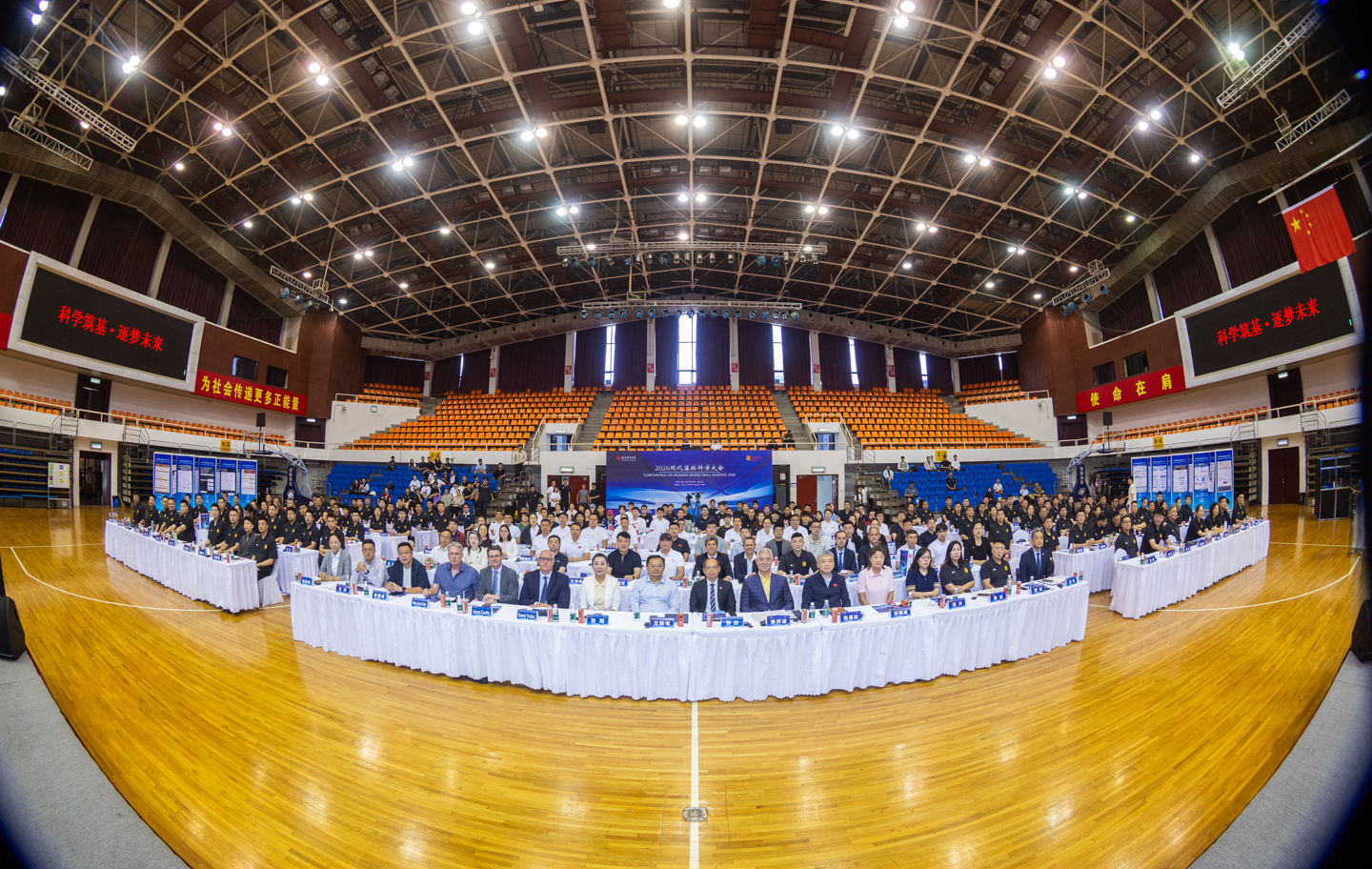

The Conference on Modern Basketball Science 2026, co-hosted by Beijing Sport University (BSU), the Coaching Academy of the General Administration of Sport, and the Chinese Basketball Association, was held at BSU from Sept 10 to 12.
The conference featured keynote reports, panel discussions, academic seminars, on-court demonstrations, and themed presentations. Leading experts from China and abroad in basketball science, youth development, and professional competition gathered at BSU to discuss cutting-edge issues shaping the future of modern basketball.
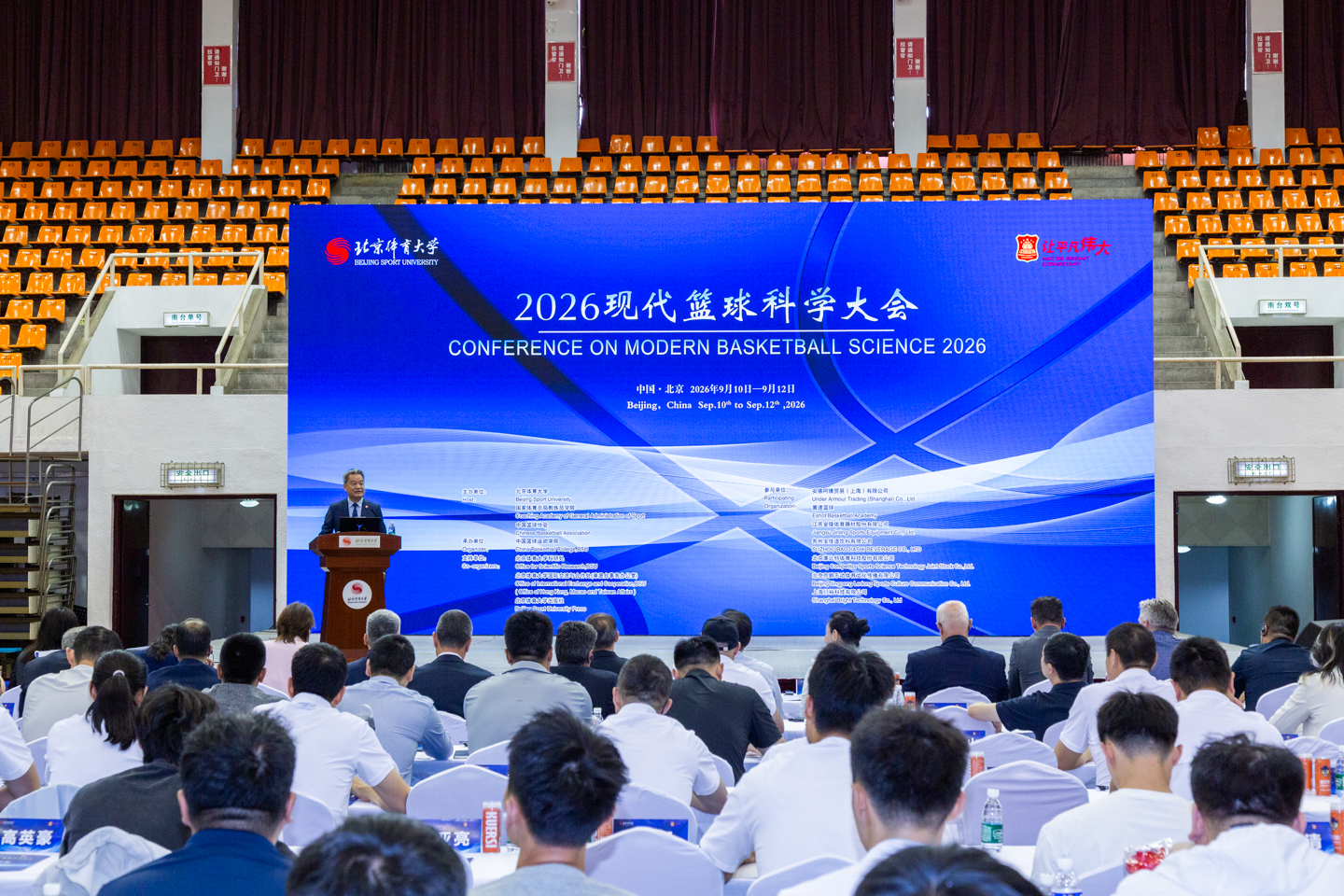
Opening Ceremony
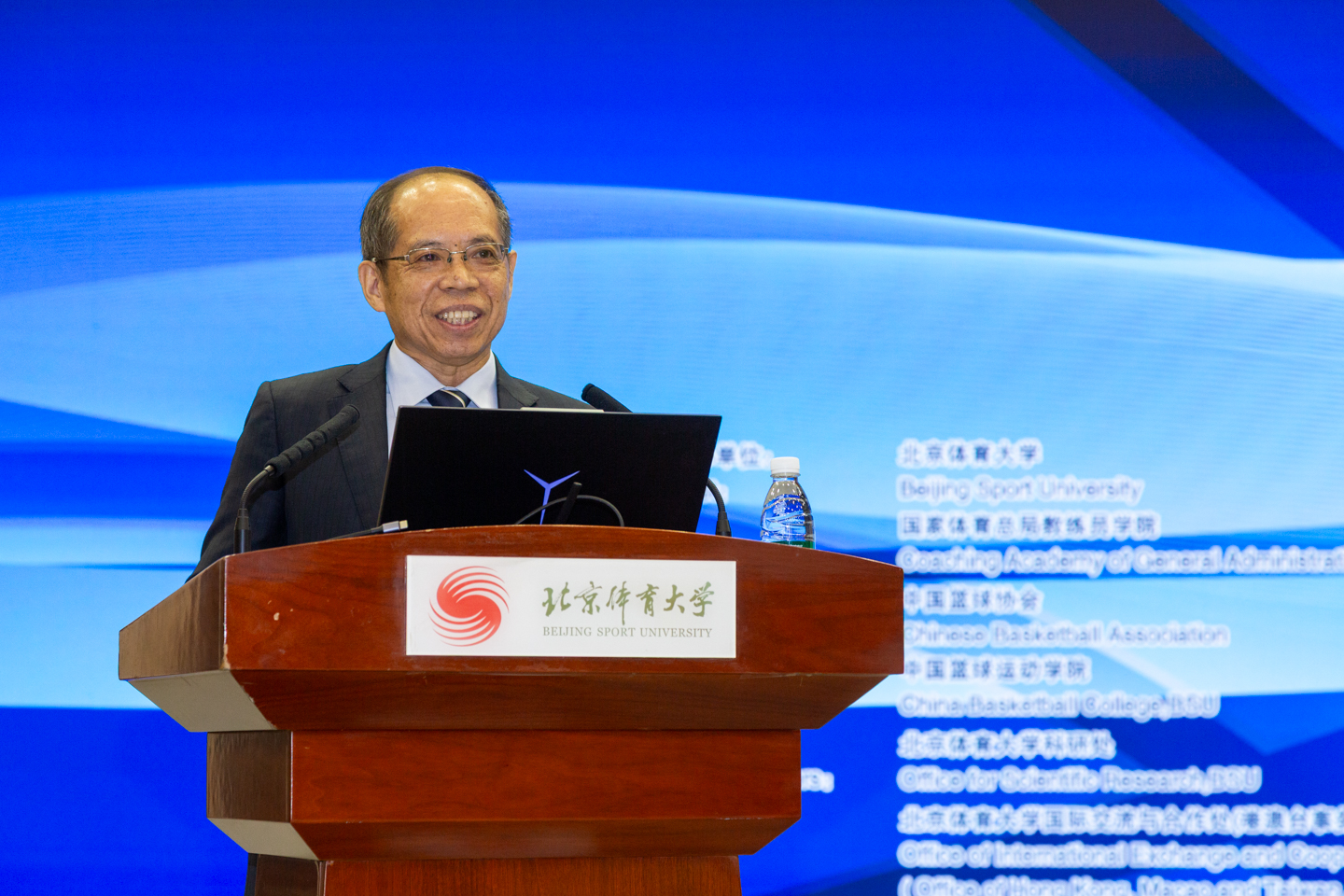
The opening ceremony was held at the BSU Gymnasium on the morning of Sept 12. Officials, experts, and scholars from the General Administration of Sport of China, the Chinese Basketball Association, the China Youth Sports Federation, FIBA China, peer sports universities, and the sports technology and sports industry sectors attended the opening ceremony, which was presided over by Hong Ping, vice-president of BSU.
Wang Xinzhai, deputy director of the Department of Science and Education of the General Administration of Sport of China, said in his remarks that advancing the application of sports science and technology in basketball requires fully leveraging the research capabilities of leading sports universities such as BSU. He called for high-quality university research to move beyond laboratories and into competition venues and national-team training.
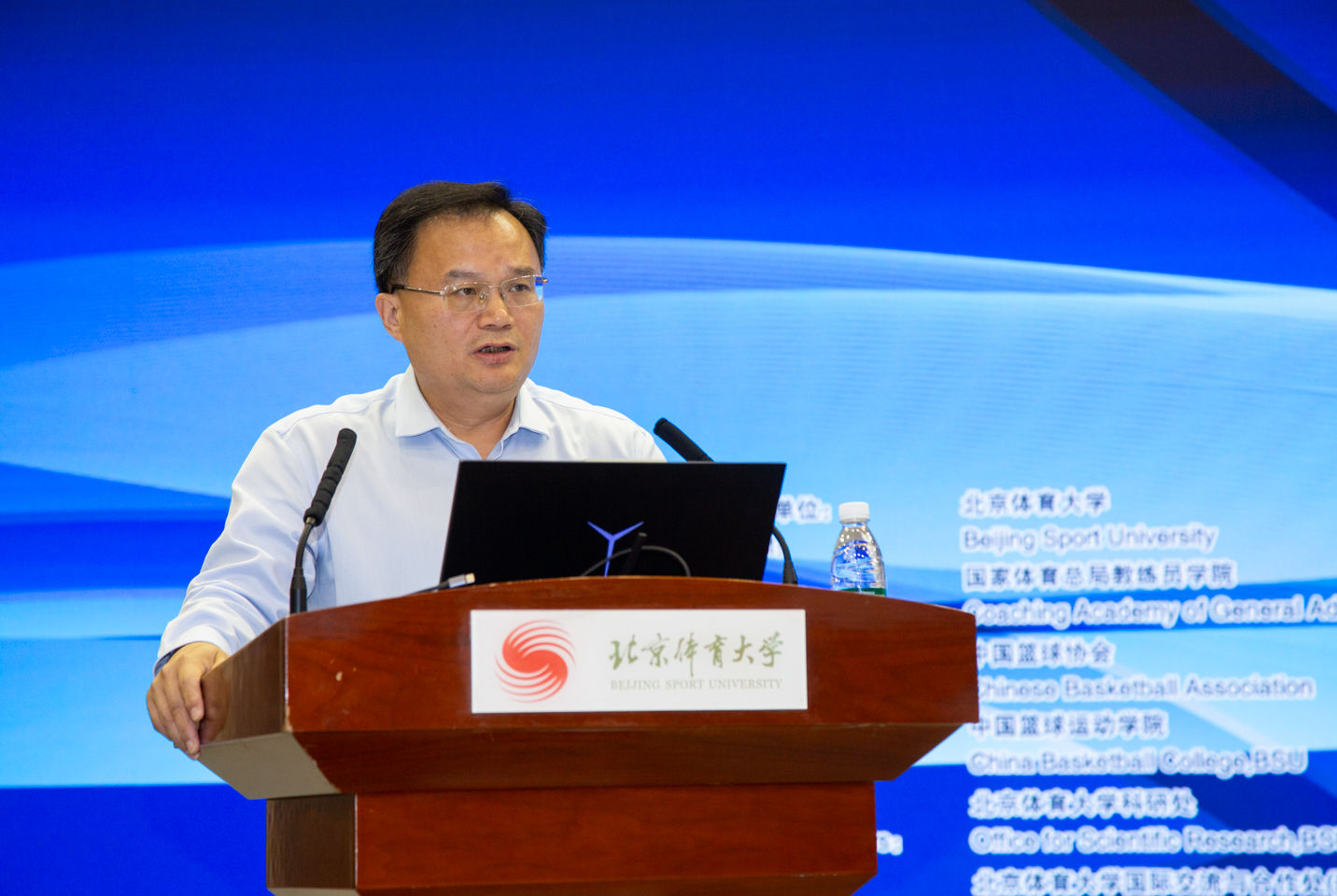
Xu Jicheng, vice-president of the Chinese Basketball Association, said that the association has in recent years promoted the scientific and data-driven development of basketball. It has established an integrated data-analysis system, strengthened youth development and coach education, and advanced the integration of sports and education. Speaking about several recent exchange, training, and sporting events hosted by BSU — including the Chinese Basketball Association’s Level-B Coach Training Program, the ICCE Executive Board Meeting, and the “Su Chao” Basketball League — Xu Jicheng spoke highly of the university’s vibrant campus atmosphere, professional and open practical environment, and its role as a platform for talent development. He expressed hope that the two sides would deepen strategic cooperation and continue to contribute to the long-term development of Chinese basketball.
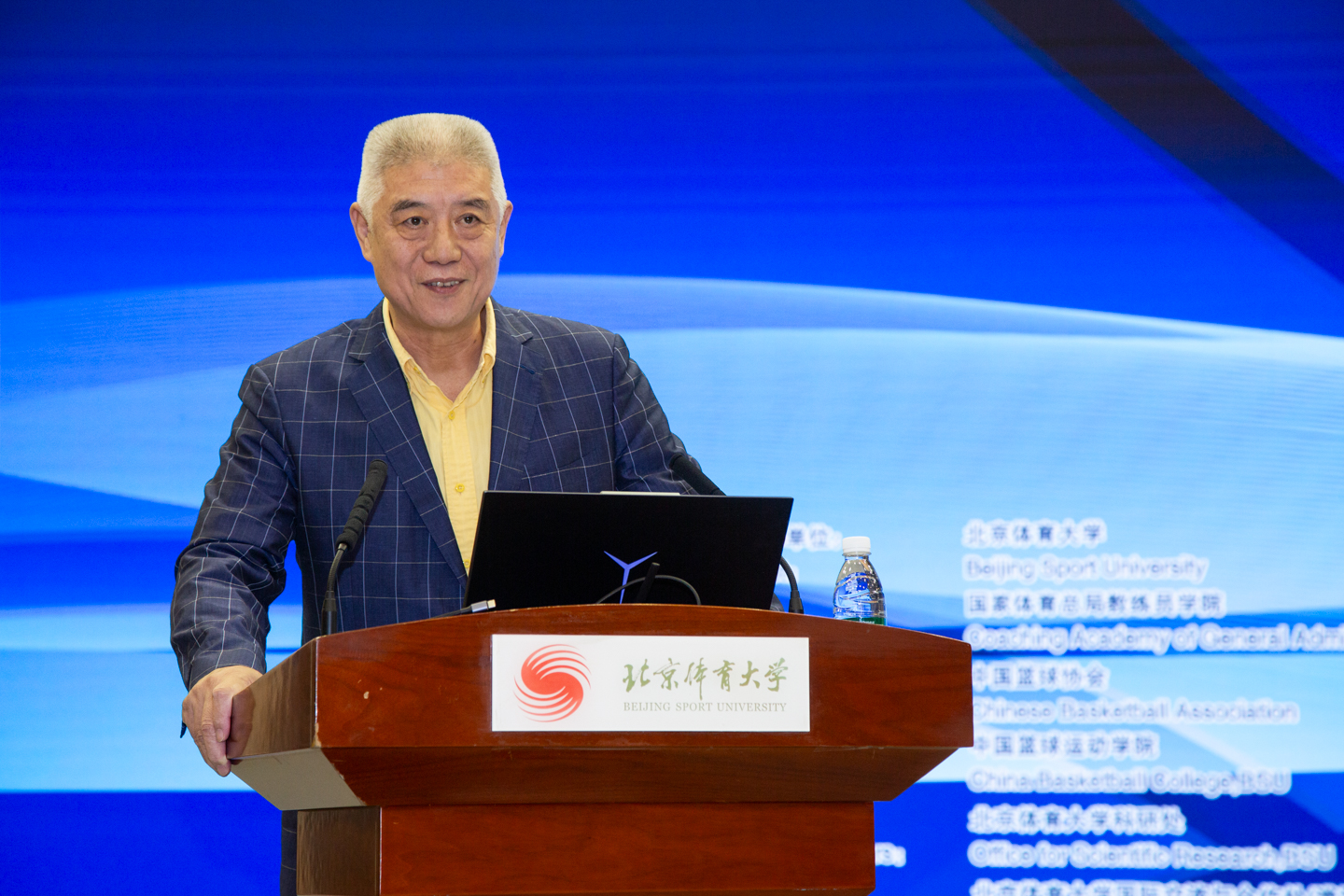
Zhang Jian, chairman of the China Youth Sports Federation and former president of BSU, noted that basketball has evolved from an experience-based skill into a highly complex systematic undertaking. He emphasized the need to identify youth talent with multidimensional assessment, strike a scientific balance among frequency, quality, and suitability to further improve the domestic competition system, and leverage data and technology to empower coaching and refine training systems. He also highlighted the importance of drawing on global expertise while remaining grounded in China’s own basketball development needs and strengths, and of building an independent knowledge system for basketball science with Chinese characteristics.
Keynote Report
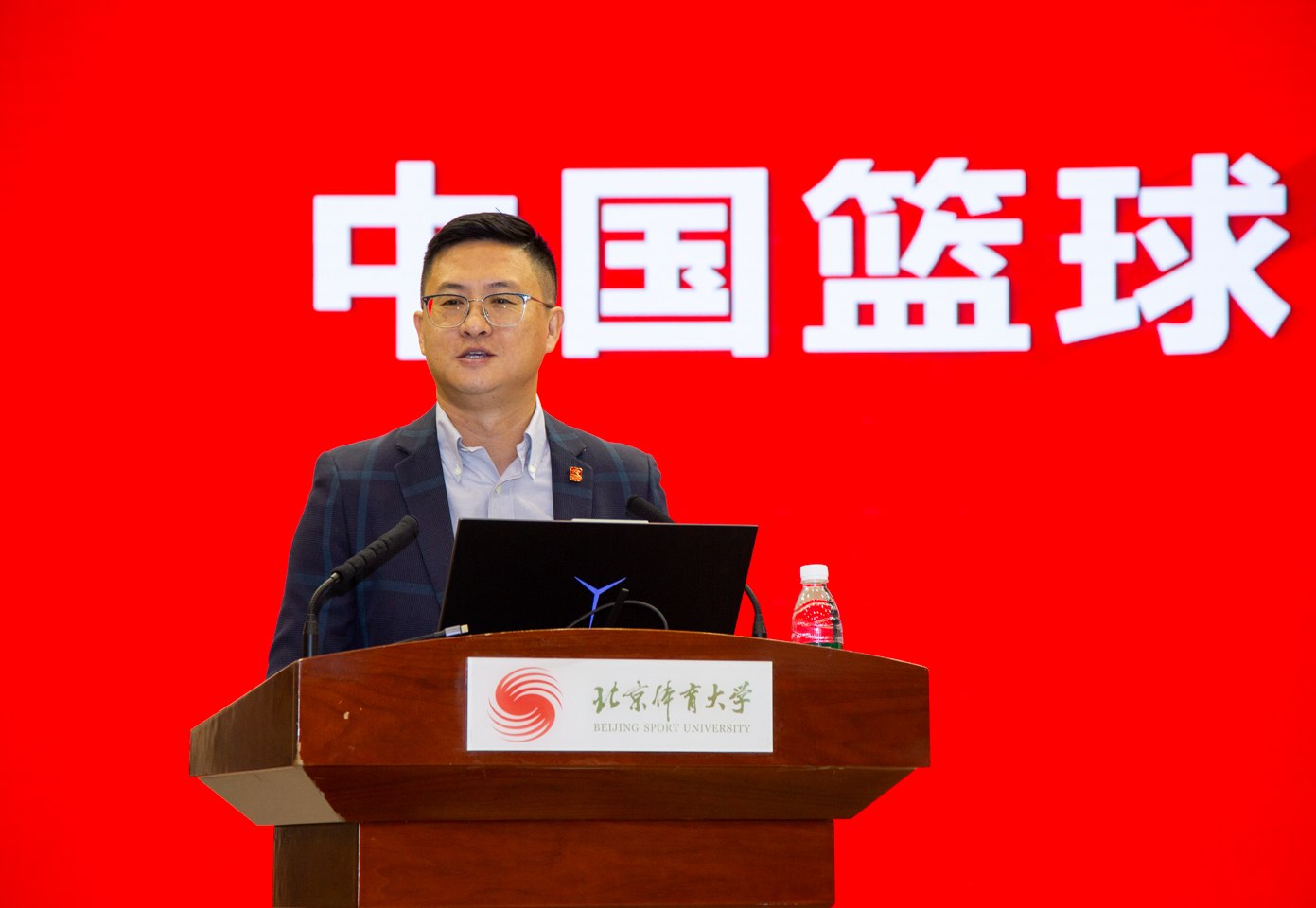
Wang Xin, head of the Youth Development Department of the Chinese Basketball Association, delivered a keynote report on the development of the association’s youth training system.
The report outlined an overall framework featuring differentiated strategies by age group, dual-track development, integrated progression, government-society collaboration, and sports-education coordination. It also highlighted efforts to integrate tactics, technical training, data analysis, and foreign coaching resources across China’s youth national teams and senior national team, as well as the implementation of a consistent head-coach “homeroom teacher” system for the U16-U19 age groups. Youth national teams in various age categories have achieved phased results in international competitions.
The program is being implemented in stages by age group. For players under 12, mini-basketball activities, skills-level assessments, and digital athlete profiles will be used to establish an integrated system covering assessment, training, and competition. For players aged 13 to 19, youth training guidelines will be implemented, the three-tier youth competition system will be reformed, and provincial, regional, and national training camps will be established as key channels for talent identification and selection. The report also called for advancing the integration of sports and education in four areas — participation, competition, training camps, and coaching — while expanding international talent-development pathways and strengthening supporting institutional safeguards.
The report objectively identified existing shortcomings, including inadequate technical skills among players, an excessive emphasis on winning in grassroots competitions, a shortage of high-level coaches, limited resource support, and difficulties in implementing sports-education integration. In response, it proposed key tasks such as launching pilot programs for comprehensive basketball reform and establishing multi-level youth training centers. It also called for coordinated efforts from all sectors to support the revitalization of the three major ball sports and the development of China into a leading sporting nation.
Panel Discussion
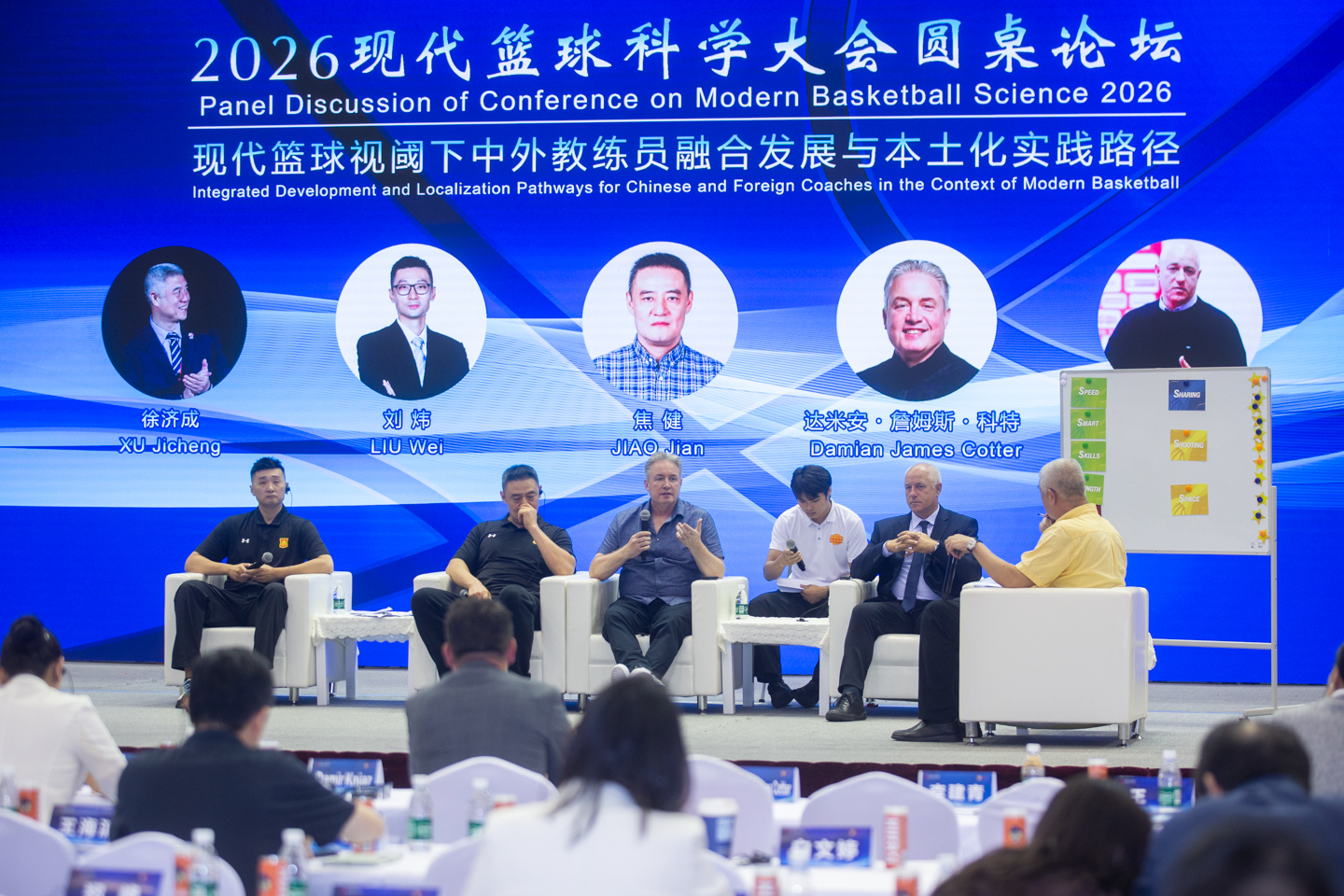
The conference held a panel discussion themed “Integrated Development and Localization Pathways for Chinese and Foreign Coaches in the Context of Modern Basketball”. Focusing on artificial intelligence and the K8 tactical platform, participants exchanged views on coaching decisions, coaching philosophies, talent development, and institutional development.
“Positional boundaries are disappearing,” said Damir Knjaz. He noted that, compared with a decade ago, modern basketball places far greater demands on players, with each player expected to be capable of playing at least two or three positions. The game has also become faster, increasing the need for scientific support. Damian James Cotter observed that changes in how younger generations obtain information and communicate are prompting coaches to rethink how they connect with players.
Data and artificial intelligence were major topics of discussion. Liu Wei said that coaches most need to improve their ability to distinguish useful information, emphasizing that data cannot fully replace human judgment. Jiao Jian described the changes brought by the Chinese Basketball Association’s K8 platform, which enables broad initial screening followed by targeted field assessments, significantly improving talent identification efficiency.
However, technology is not a universal solution. Knjaz cited Luka Dončić and Nikola Jokić as examples of players whose physical-test results were not particularly outstanding but who possess exceptional game intelligence. Cotter referred to Alex Caruso’s development to illustrate that the ability to inspire and elevate teammates cannot be directly identified by artificial intelligence. “How do we measure a player’s psychological motivation and level of concentration? There is currently no reliable way,” he said.
Regarding talent development, participants agreed that the priority should be to develop each individual player before forming groups and eventually building a team. Speaking about the localization of basketball development in China, Knjaz recommended drawing more from the European pathway rather than simply copying the American model. He stressed the importance of fundamentals, game intelligence, and teamwork, and encouraged national-team players who have the opportunity to gain experience in high-level European leagues. Several Chinese speakers noted that bringing advanced international training methods down to the grassroots level remains an urgent challenge. The integration of Chinese and international coaching approaches is not about simple replication, but about finding the pathway best suited to Chinese basketball through dialogue and mutual learning.
Themed Presentations
David Cárdenas Vélez
David Cárdenas Vélez, professor at the Faculty of Sport Sciences of the University of Granada in Spain and holder of the highest-level coaching qualification awarded by the Spanish Basketball Federation, delivered a presentation on “Developing Highly Intelligent Basketball Players”. Drawing on cognitive science, motor learning, and decision-making behavior, he analyzed how basketball players perceive information, make judgments, and respond to changes in complex game environments. He argued that training should not be limited to repetitive practice of fixed technical movements. Instead, coaches should introduce an appropriate degree of uncertainty and situational variation to enhance players’ cognitive flexibility and adaptability, enabling them to make faster and more appropriate decisions in real games.
Aaron Coutts
Aaron Coutts, distinguished professor at the University of Technology Sydney, and dean of the School of Human Movement, Rehabilitation and Health, delivered a presentation on “From Basketball Performance Analysis to Performance Management”. He introduced the development and practical application of athlete-monitoring systems in the NBA, covering game and training loads, the reliability of measurement tools, individual athlete responses, recovery, and travel. He emphasized that the value of athlete monitoring lies not in simply collecting more data, but in converting reliable evidence into actionable information to support more scientific and individualized training and competition decisions by coaches and performance teams.
Damir Knjaz
Damir Knjaz delivered a presentation on “Development Trends in European Basketball and a Comparison with the NBA Playing Style”. He explained that the NBA places greater emphasis on speed, spacing, athleticism, and individual creativity, while European basketball focuses more on tactical organization, teamwork, defensive systems, and half-court execution. As modern basketball continues to evolve, the two basketball cultures are increasingly influencing and integrating with each other. High-level players therefore need to develop more comprehensively in physical ability, individual skills, tactical understanding, team awareness, and basketball IQ.
Damian James Cotter
Damian James Cotter, former assistant coach of the NBA’s Chicago Bulls and a global lecturer for the NBA and FIBA, led a course on “Game Planning Against Primary Ball Handlers: Matchup Selection, Defensive Adjustments, and Decision-Making in Critical Moments”. The course consisted of theoretical PowerPoint instruction and on-court practical training. In the theoretical session, Cotter introduced his work with the Bulls, where he was primarily responsible for end-of-game defensive analysis, and discussed special-situation defense as a central theme. The practical session simulated high-pressure game-ending situations, such as a tied score of 70-70 with 45 seconds remaining. Participants practiced defending sideline inbounds plays and positioning after free throws, among other scenarios.
Jaime Sampaio
Jaime Sampaio, professor at the University of Trás-os-Montes e Alto Douro in Portugal and head of the “Excellence in Learning and Integrated Training” research team, delivered a presentation titled “Practice Makes Perfect — but What Kind of Perfection Are We Pursuing?” He reconsidered traditional approaches based on repetitive training, noting that basketball is a highly unpredictable sport. The goal of training is not to create “perfect players” whose movements are always identical, but to develop athletes who can perceive, make decisions, and continuously adapt to changing circumstances. By varying space, rules, equipment, opponents, and task conditions, coaches can introduce appropriate challenges and create richer learning experiences, thereby promoting skill transfer, self-organization, and long-term development.
Wang Haibin
Wang Haibin, founder of Root AI Sports, delivered a presentation titled “Knowledge and Perception for Basketball Coaches in the AI Era”. He explored how artificial intelligence can empower modern basketball, arguing that AI should serve as a “super assistant”, not a replacement. He said the future lies in human-machine collaboration: AI can improve efficiency and provide quantitative analysis, while coaches remain responsible for irreplaceable human care, tactical creativity, and in-game decision-making.
Lin Kai
Lin Kai, senior vice-president of Zhejiang Uniview Technologies Co., Ltd., delivered a presentation titled “AI Takes the Court: Lightweight Solutions for Real-Time Basketball Livestreaming and Intelligent Commentary”. Addressing the challenges of grassroots basketball broadcasts, which are often costly, complex, and slow to deploy, he proposed a lightweight AI livestreaming solution. In line with guidelines for lightweight broadcasting and production, the solution uses a three-layer architecture — lightweight capture, cloud-based production, and AI applications. With one or two panoramic cameras and Uniview’s sports cloud services, the system can be deployed within hours and operated by one person, significantly reducing costs.
Huang Ruigeng
Huang Ruigeng, chairman of Shanghai Merry Group, delivered a presentation titled “From ‘Hard Courts’ to ‘Intelligent Agents’: The Evolution and Digital Future of Basketball Flooring”. He reviewed the evolution of basketball flooring from basic hardware to digital and intelligent systems. He noted that, in the digital era, flooring is no longer merely a playing surface, but also a data gateway. Through embedded chips and sensing technologies, combined with AI-powered vision, the court can become an interactive “display”.
Miao Xiangjun
Miao Xiangjun, professor at BSU’s China Basketball College, delivered a presentation titled “The Coaching Logic of Outstanding Coaches”. Using four renowned coaches — John Wooden, Phil Jackson, Yuan Weimin, and Franz Beckenbauer — as examples, Miao explored how coaches can translate their beliefs and philosophies into behaviors that athletes can see, practice, and apply in competition. His presentation established six categories of coaching work as an observational framework and used four layers of evidence — personal accounts, historical materials, coaching science, and comparative analysis — to examine the cases. He concluded by reflecting on Chinese basketball, expressing hope that international experience could offer insights and practical reference for Chinese coaches.
Sun Zhan’ning
Sun Zhan’ning, associate professor at the China Institute for Sports Development Studies of BSU, delivered a presentation titled “Major Challenges and Recommendations for Developing China’s Youth Basketball Talent Pool”. Based on large-scale questionnaire surveys, field research, and empirical analysis, the presentation examined the shortage of reserve youth basketball talent in China, as well as the pathways for identifying, selecting, and developing players from the broader basketball population into a well-structured talent pool. The analysis drew on perspectives from sports science, sociology, and education.
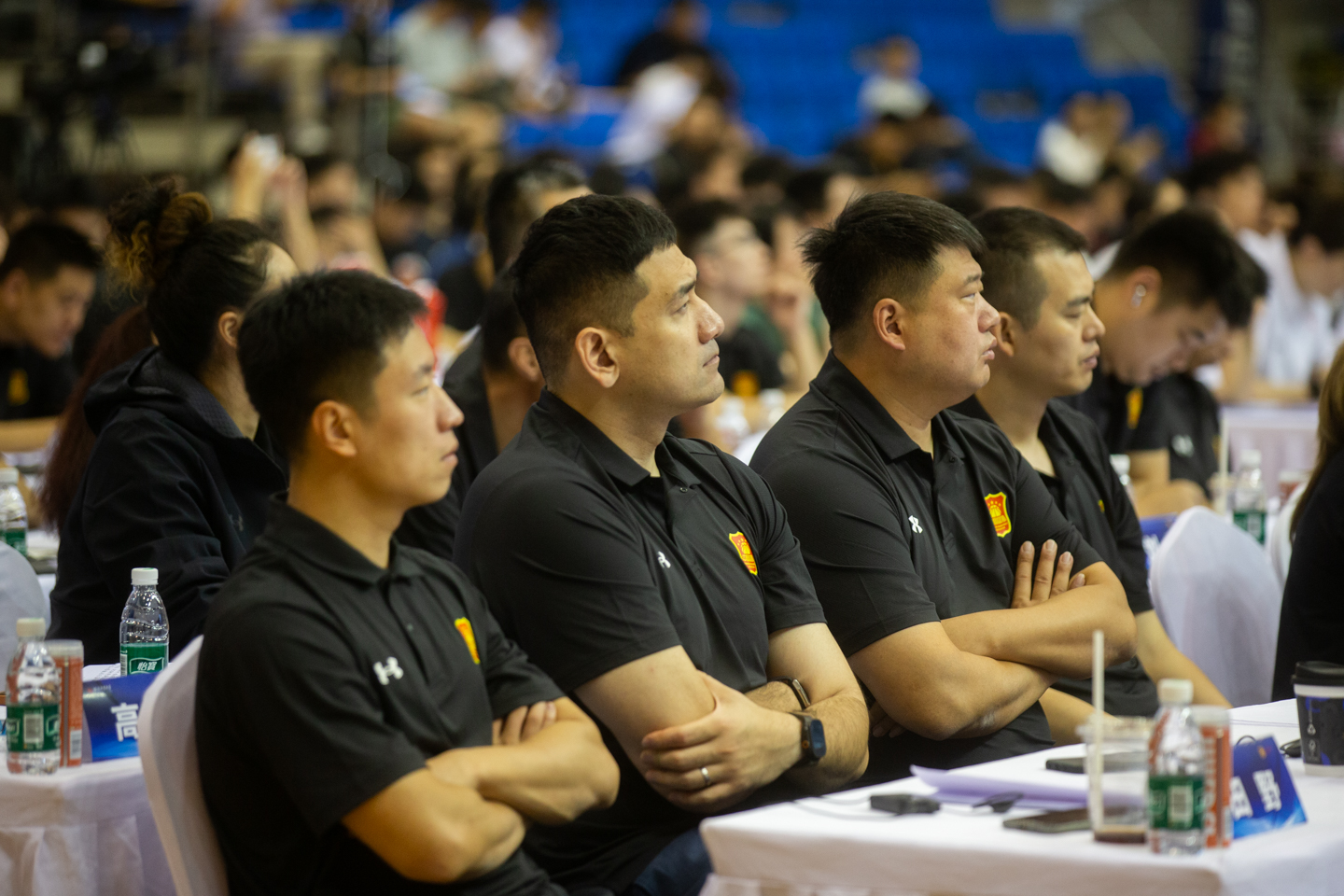
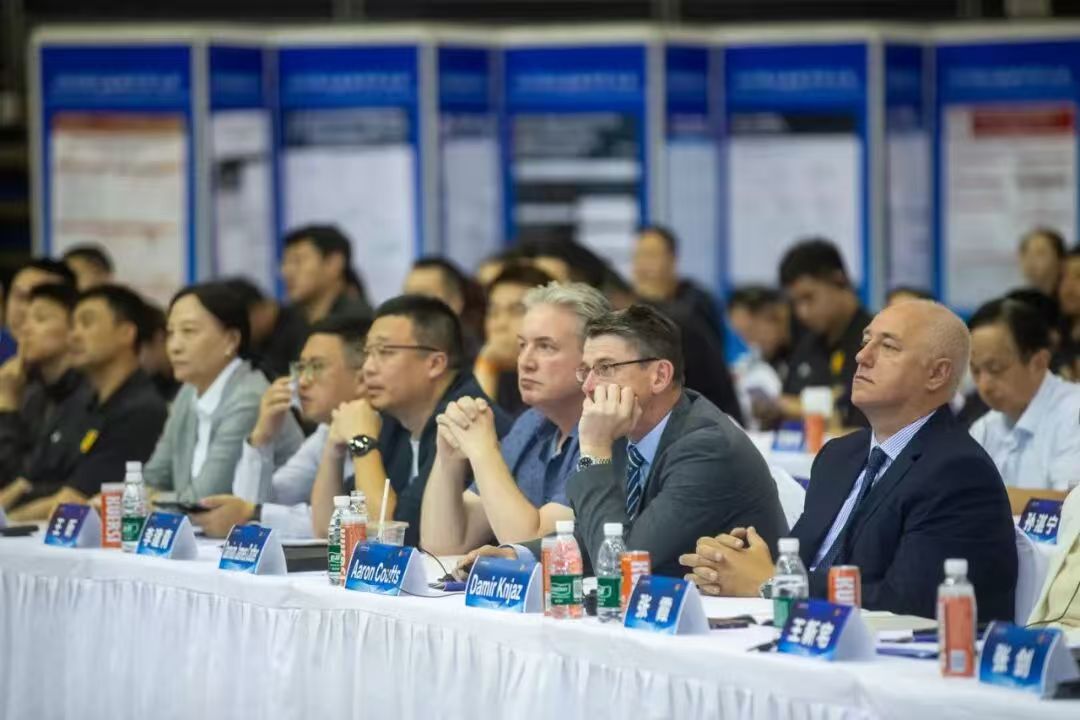
The conference served not only as a major academic gathering that brought together global expertise in basketball science, but also as an important initiative by BSU to strengthen its international communication platforms and expand global sports exchanges.
Going forward, BSU will continue to leverage its academic strengths and international partnerships to deepen cross-border research collaboration and academic exchange in basketball. It will actively serve national sports strategies, contribute to the high-quality revitalization of the three major ball sports, and further promote the “Global BSU” brand, contributing the university’s knowledge and expertise to the development of China into a leading sporting nation.