

From Sept 19 to 20, the 1st Winter Sports Science and Technology Conference, co-hosted by the Winter Sports Management Center of the General Administration of Sport of China and Beijing Sport University (BSU), was held at BSU.
The conference focused on key areas including enhancing athletic performance in ice and snow sports, technology-assisted training and competition preparation, and artificial intelligence in sports. The event featured four sections: an opening ceremony, keynote speeches, thematic presentations and a roundtable forum.
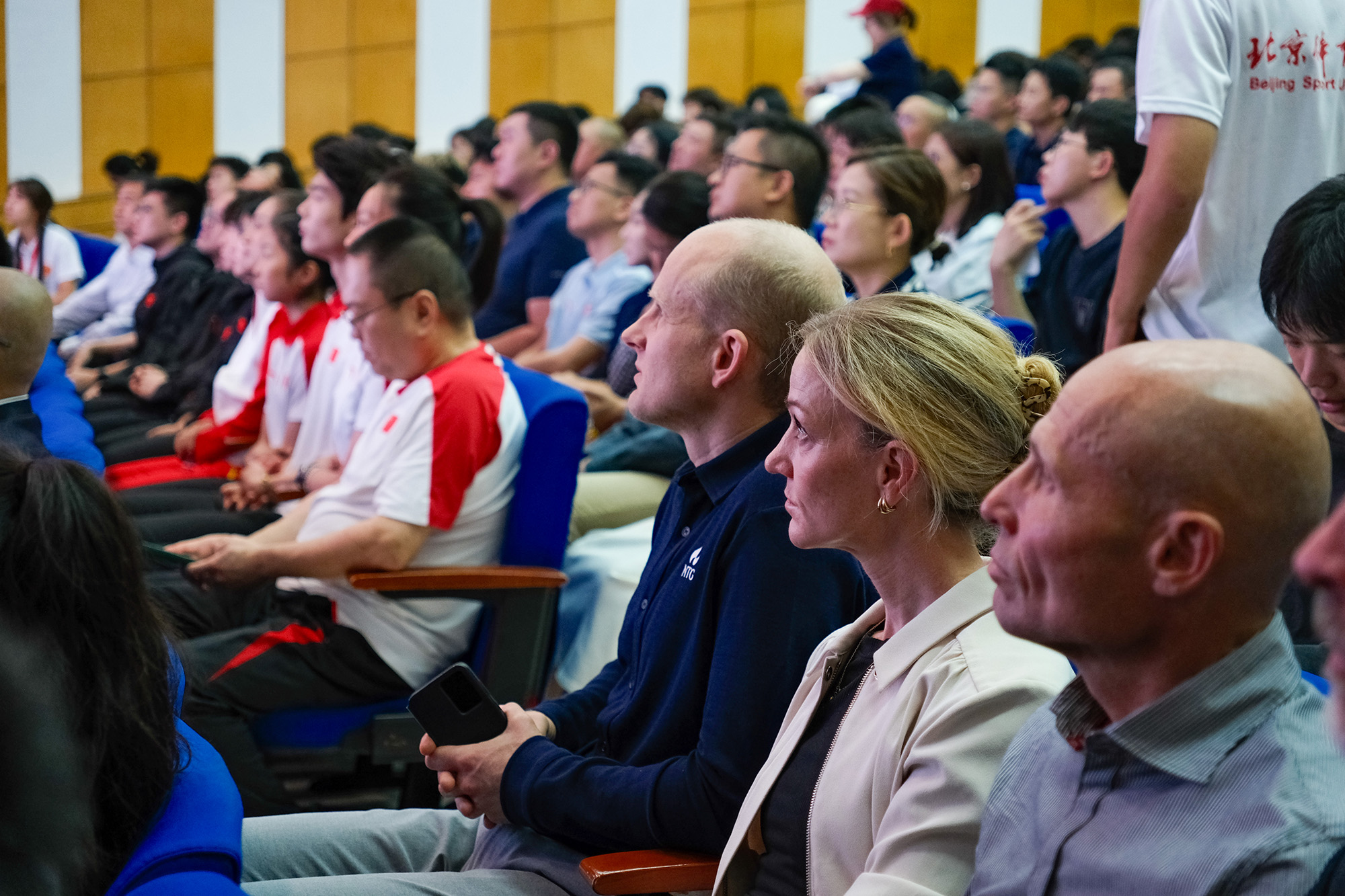
The conference brought together leading experts and scholars from China and abroad, while researchers, national team coaches, Winter Olympic champions and representatives from the ice and snow sports industry also attended the event. They engaged in in-depth discussions on discipline development, talent cultivation and industry innovation, building a collaborative platform that connects academia, research, industry and practical applications.
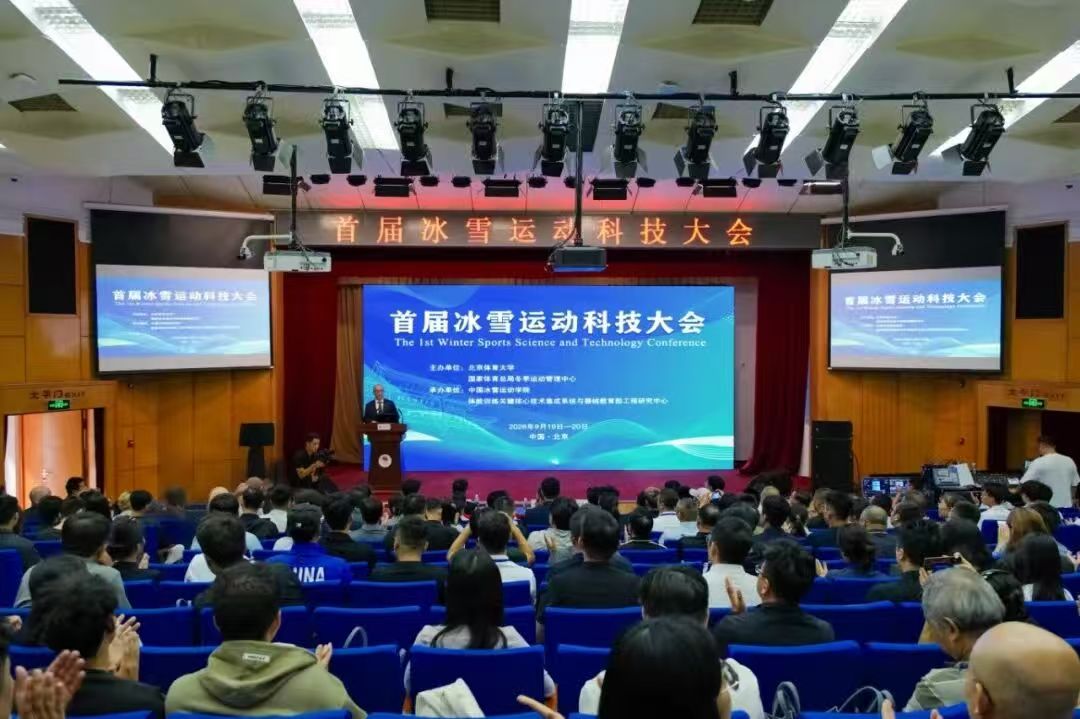
Opening Ceremony
The opening ceremony was held at BSU on Sept 19. Leaders and guests from the Winter Sports Management Center, China Institute of Sport Science, the Department of Science and Education of the General Administration of Sport of China, the China Student Sports Federation, national ice and snow sports associations, the Beijing Winter Sports Management Center, local sports authorities and universities attended the ceremony, along with experts and scholars from around the world.
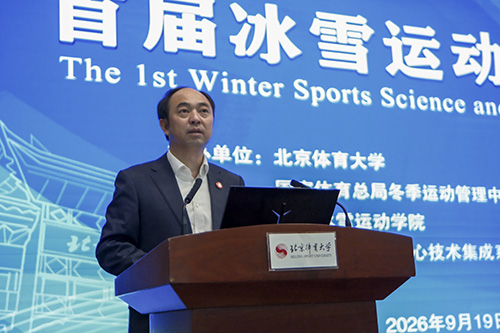
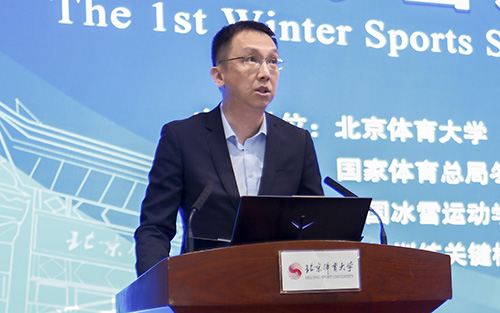
Keynote Presentation
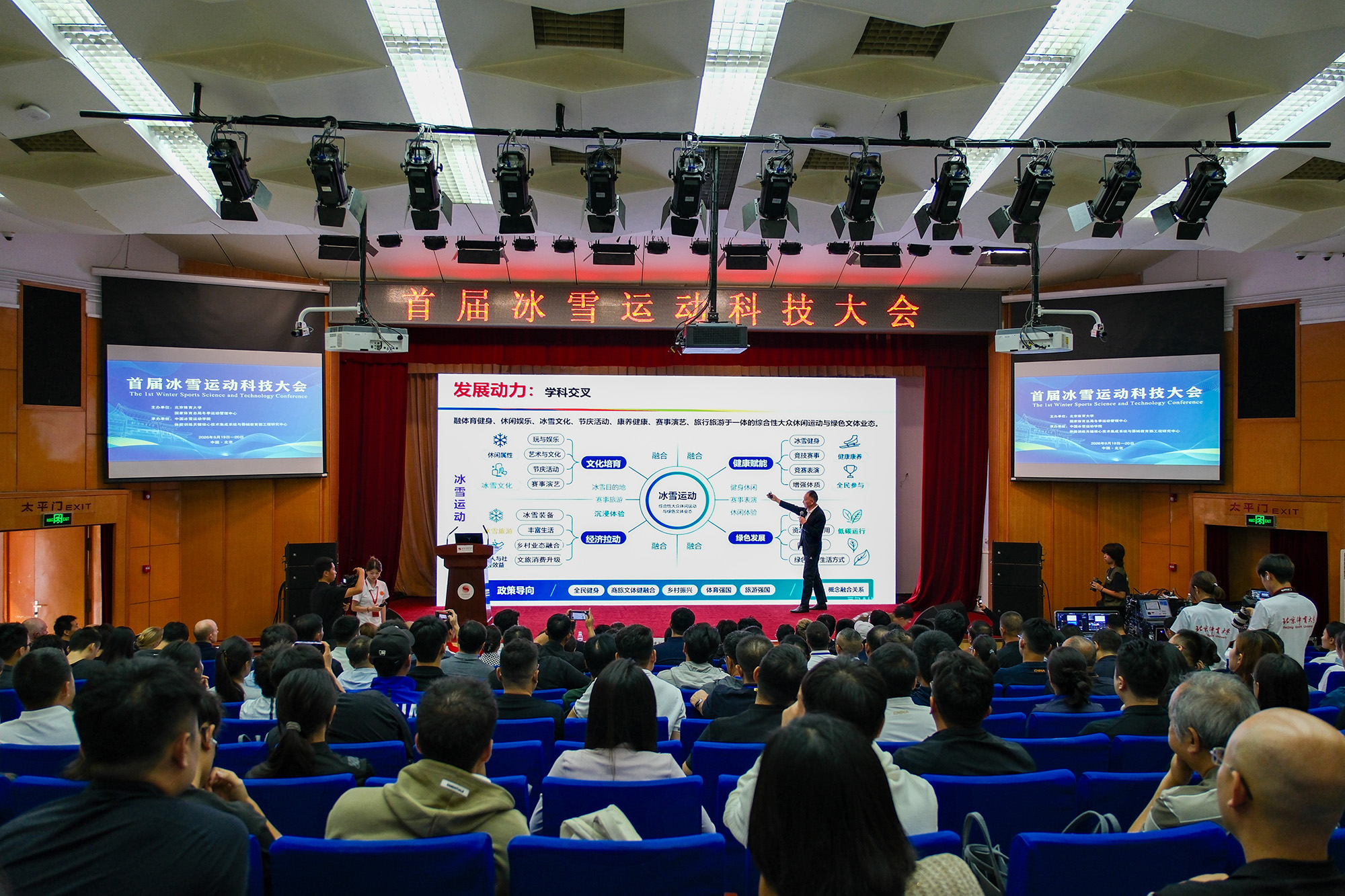
During the keynote session, Zhong Bingshu, former president of Capital University of Physical Education and Sports, delivered a presentation titled “Interdisciplinary Integration and Industry-Education Collaboration: Developing Distinctive Ice and Snow Sports Programs and a Full-Chain Talent Development System”. Drawing on China’s national strategy for developing ice and snow sports and the achievements of the initiative to engage 300 million people in ice and snow sports, Zhong analyzed the growing demand for interdisciplinary talent amid the expansion and upgrading of the ice and snow sports industry.
He noted that ice and snow sports are characterized by strong interdisciplinary integration, while emerging “ice and snow +” business models continue to expand the boundaries of the industry. In response to challenges faced by ice and snow sports programs at Chinese universities, including limitations in faculty, curricula and practical training, Zhong identified industry-education collaboration as a key solution.
He called for deeper curriculum reform, stronger university-enterprise training platforms, and diversified talent development models, including tailored training programs, north-south collaboration and international cooperation. He also highlighted the need to improve talent assessment through industry certification and establish a full-chain, pyramid-shaped talent development system. Such efforts, he said, would help provide the ice and snow sports sector with highly skilled professionals in coaching and training, event management and venue operations.
Multidimensional Discussions: Exploring the Frontiers and Empowering Ice and Snow Sports with Technology
During the thematic presentations, experts and scholars from China and abroad shared cutting-edge research and practical experience in areas including sports training theory, international talent development, artificial intelligence in sports, and ice and snow sports training systems.
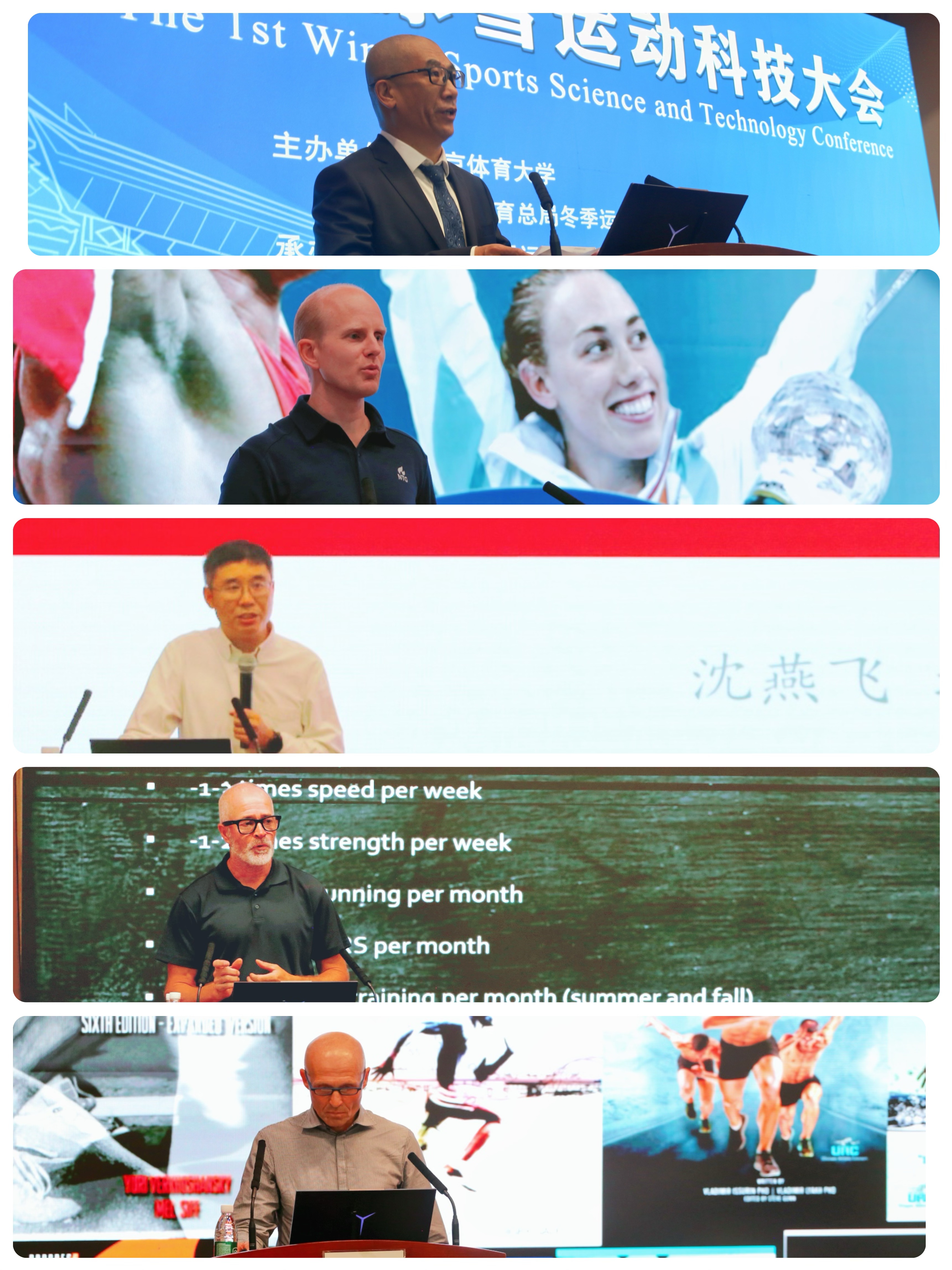
Professor Li Wei of BSU introduced the “aftereffect” training theory, explaining the physiological mechanisms behind the delayed accumulation of adaptations to training stress. He outlined four core principles for mid-cycle training, providing scientific guidance for block training, altitude training and pre-competition load management.
Professor Øyvind Sandbakk of UiT The Arctic University of Norway shared Norway’s experience in developing talent for endurance sports. He advocated making enjoyable sports accessible to young people, establishing comprehensive talent development systems, and balancing training quality with athletes’ physical and mental well-being.
Professor Shen Yanfei of BSU explored how artificial intelligence can enhance sports training. He proposed using sensor-based digital technologies and objective, quantitative data to overcome the limitations of traditional experience-based training and better serve both elite sports and mass fitness.
International endurance sports training expert Trond Nystad argued against early specialization among young athletes. He encouraged young people to explore different sports and undertake systematic year-round training, while emphasizing the coach’s role in athlete development and the importance of building a strong sports culture.
Konstantin Poltavets, a Netherlands-based speed skating coach who has coached Olympic champions, discussed the development of competitive speed skating systems. He highlighted technical efficiency as a key factor in improving performance and called for the development of efficient movement patterns while coordinating technical skills, physical conditioning, nutrition and recovery to maximize athletic performance.
Roundtable Forum
At the roundtable forum, experts from multiple universities held in-depth discussions on the development of ice and snow sports disciplines and talent cultivation, drawing on their own educational practices.
Participants shared their experiences in integrated undergraduate, master's and doctoral training, industry-education collaboration and university-local government partnerships. They also addressed practical challenges such as shortages of qualified faculty, gaps in industry talent and the tension between academic teaching and sports training.
They exchanged views and offered recommendations on strengthening collaboration among government, universities, enterprises and industry associations, developing distinctive curricula and introducing more flexible teaching models, and exploring new pathways for high-quality talent development in ice and snow sports.
The 1st Winter Sports Science and Technology Conference responded closely to industry needs and helped bridge theoretical research, scientific innovation, sports training and talent cultivation.
Looking ahead, BSU will continue to leverage its strengths as a leading sports university in China, seize opportunities arising from the high-quality development of ice and snow sports, and deepen domestic and international collaboration. The university will promote greater synergy among scientific research, discipline development and talent cultivation, generate more high-level research achievements, and cultivate a new generation of talented professionals ready to contribute to the future of ice and snow sports.