What comes after winning Olympic medals? Ten champions are seeking the answer through a new program designed to prepare them for roles beyond the field of play.
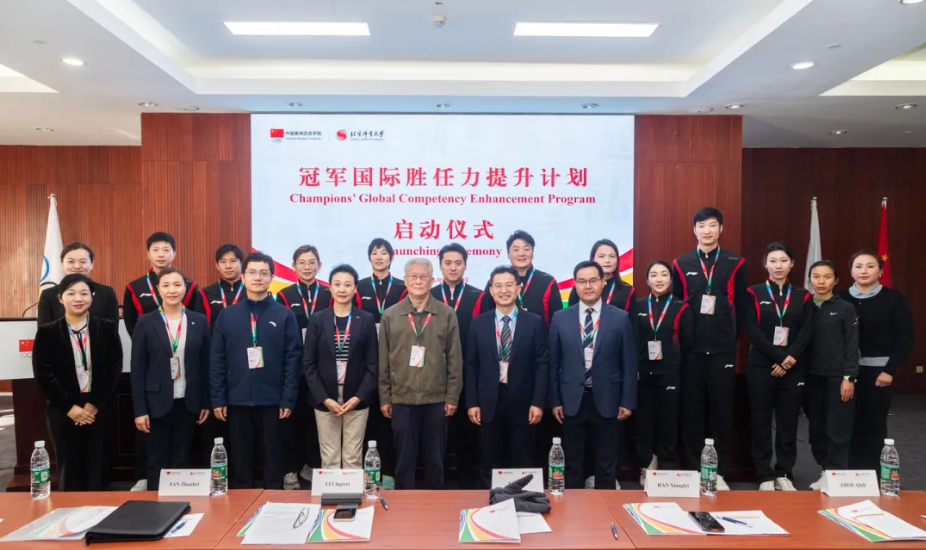
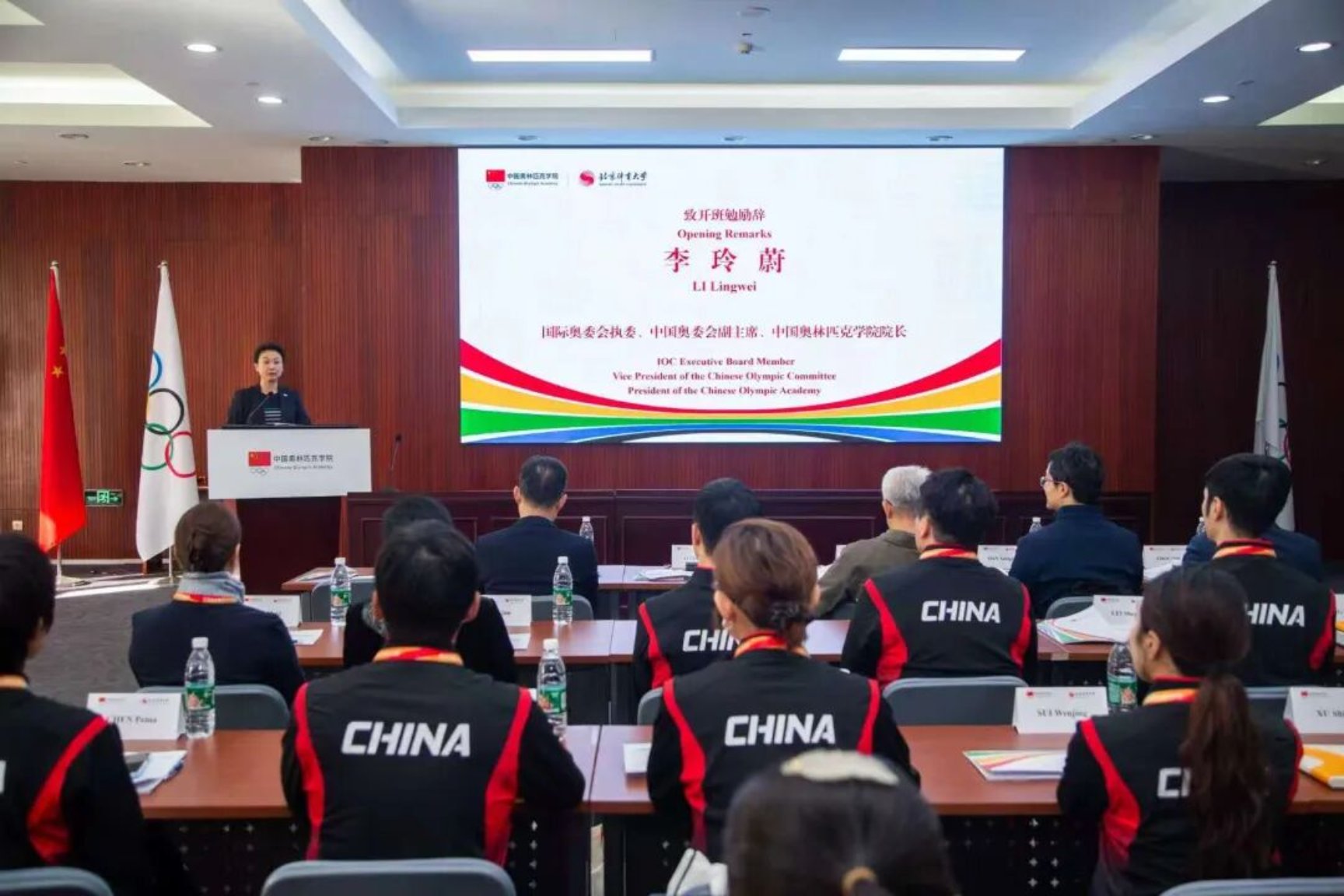
The launch ceremony of the Champions’ Global Competence Enhancement Program by the Chinese Olympic Academy (COA) was held at Beijing Sport University (BSU) on October 21. Li Lingwei, IOC Executive Board Member, Vice President of the Chinese Olympic Committee, and President of the Chinese Olympic Academy attended the ceremony and delivered an opening address to encourage the participants. Officials and experts from the Chinese Olympic Committee (COC), BSU and COA also attended the event. The ceremony was presided over by Fan Zhanbei, Chairperson of the BSU Council, and brought together the first group of champions and representatives of BSU’s professional doctorate program.
Beyond Medals: Preparing Champions for Global Sports Governance
The program aims to help champions turn their sporting achievements and international recognition into the professional skills needed to tell China’s sports stories to the world.
As the only national Olympic academy under the COC, the Chinese Olympic Academy has been based at BSU since 2024, with the mission to advance Olympic culture, conduct Olympic education, promote Olympic values and carry forward the Chinese sporting spirit and the Olympic spirit. The new program marks another step in its efforts to strengthen China’s capacity for international engagement in sports.
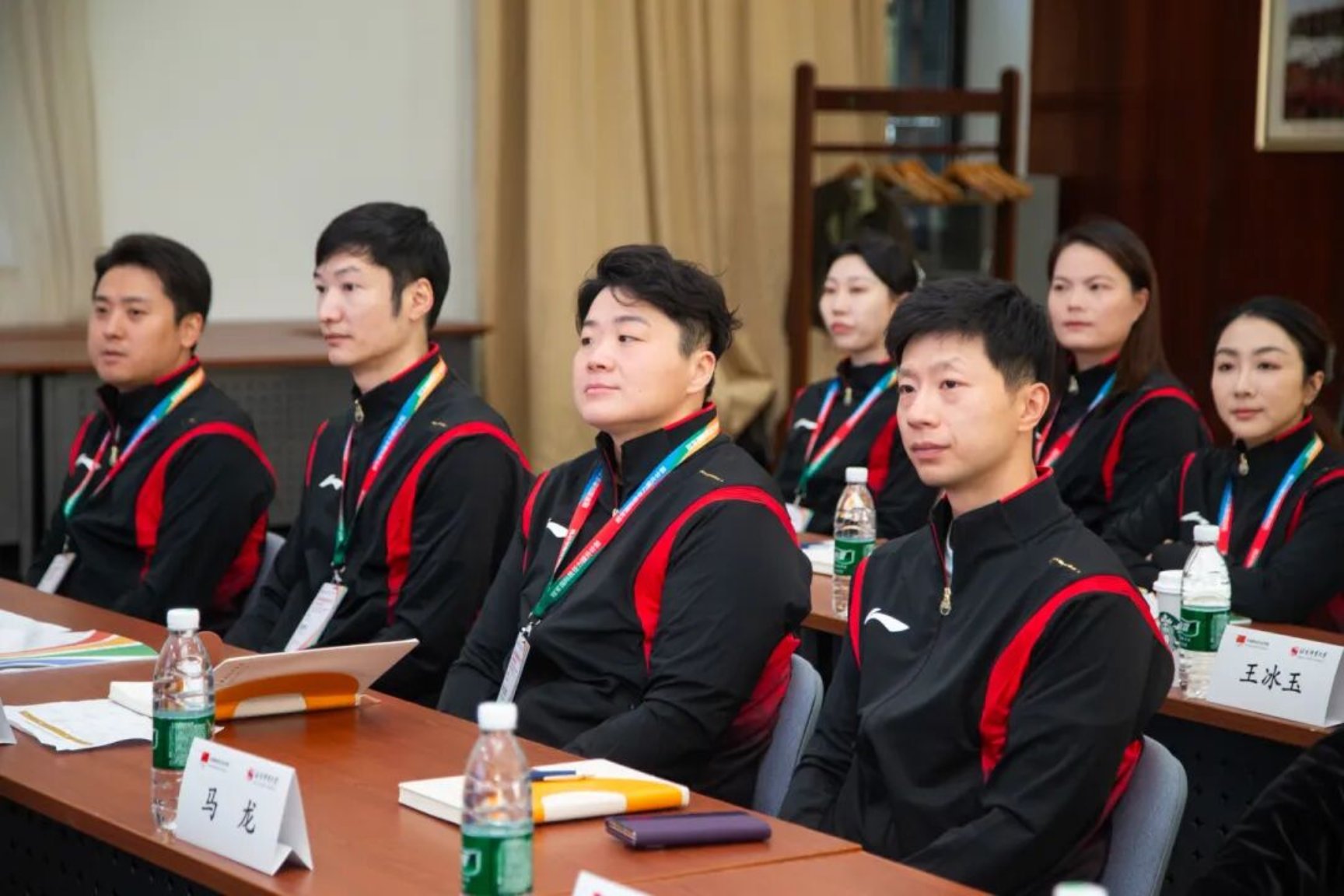
A New Starting Point for Champions
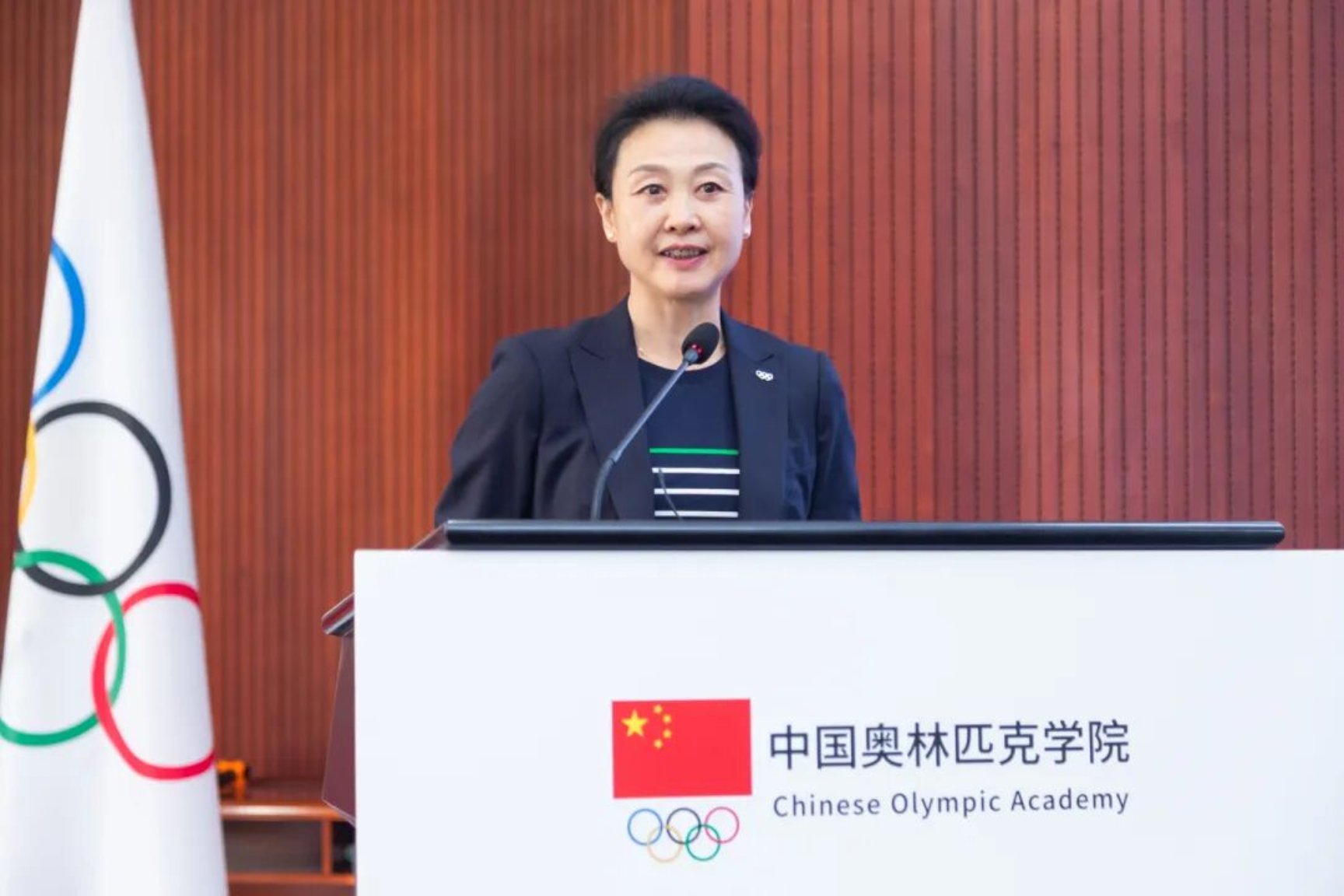
Drawing on her experience as an athlete, coach and international sports official, Li Lingwei shared insights into the participants’ next stage of development. She stressed that international competence requires sustained learning, repeated practice and hands-on experience; it does not come automatically with a champion’s title.
While medals may fade, and records may be broken, she noted the Olympic spirit and the Chinese sporting spirit remain enduring sources of inspiration. Having embodied the Olympic motto “Faster, Higher, Stronger – Together” on the field of play, the champions should now embrace the value of “Together” by building common ground across cultures, forging friendships through dialogue and telling China’s sports stories in a language the world can understand.
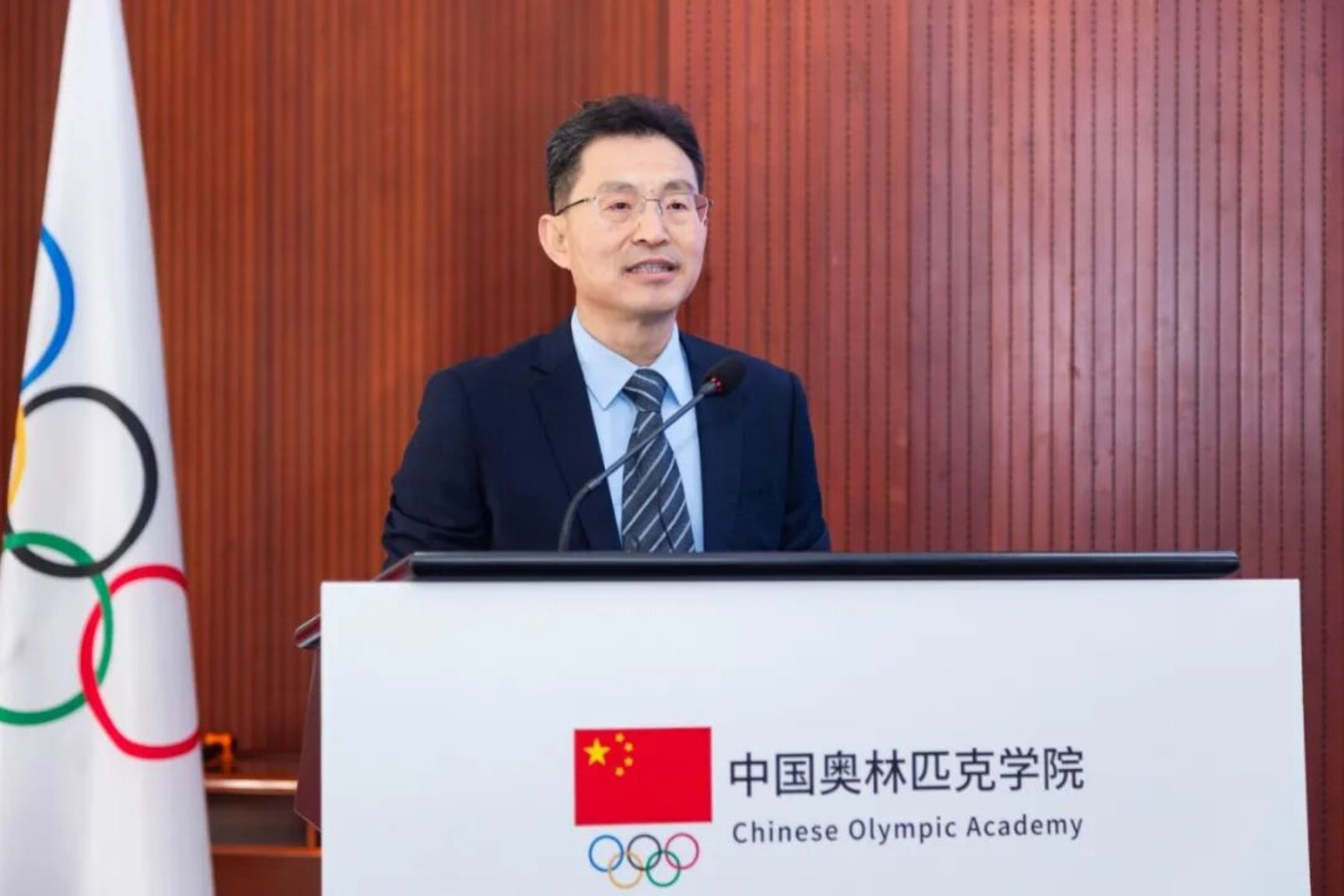
In his remarks, Fan Zhanbei encouraged the participants not to rest on their achievements, but to approach their new roles with an open mind and prepare to contribute on a broader international stage.
For Olympic table tennis legend Ma Long, now a doctoral student at BSU, the transition requires a willingness to start afresh.
“Once we step off the field, we are beginners in many respects, and there is a lot we need to catch up on,” he said, referring to international exchanges and communication. Through the program, he hopes to strengthen his cross-cultural communication skills, broaden his perspectives beyond that of an athlete and learn how to represent Chinese athletes more effectively on the international stage.
A Structured Path to International Competence
The year-long program follows a three-stage training model: foundation-building in China, advanced study overseas and comprehensive practical training.
The curriculum covers Olympic values, global perspectives, and communication and language skills through structured training, discussions and practical assignments.
The opening session featured two lectures. Li Lingwei delivered From the Field to the World: Champions’ Self-Awareness, Self-Confidence and Self-Discipline, exploring the mindset and capabilities champions need to transition to international roles. She emphasized the importance of strengthening China’s voice in international sports affairs.
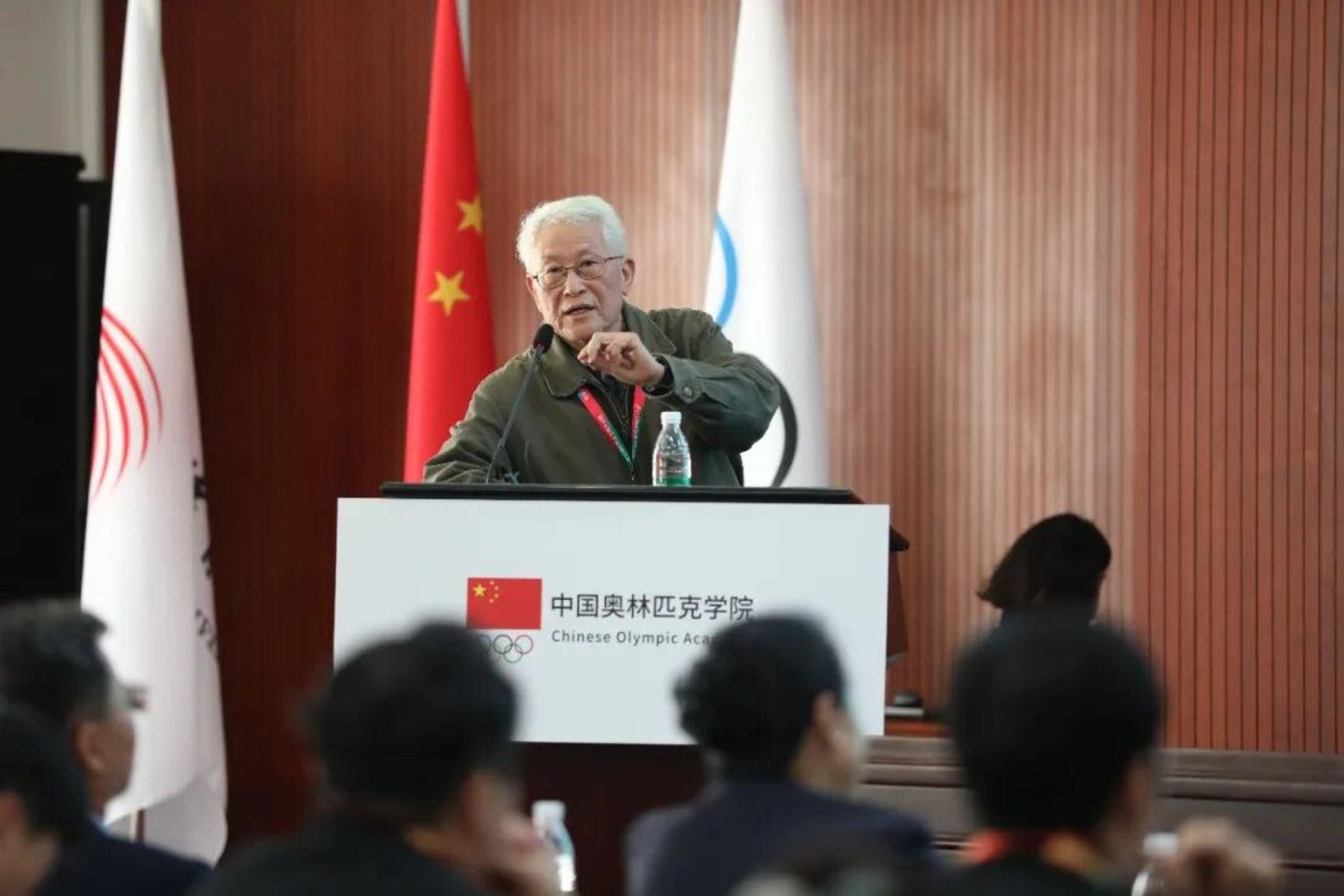
Ren Hai, Chief Expert at COA, Professor and PhD supervisor at BSU, gave a lecture titled Olympism and the Career Transition of Athletic Elites. He examined the challenges champions face in their professional transitions. Against a backdrop of profound changes and growing complexities in global sports, he highlighted the enduring significance of Olympism.
From Sporting Excellence to Lasting Impact
The first group comprises 10 champions from sports including table tennis, gymnastics, trampoline, figure skating, curling, short-track speed skating, fencing, sailing, canoeing and shot put. They are Ma Long, Gong Lijiao, Dong Dong, Sui Wenjing, Han Cong, Wang Bingyu, Lei Sheng, Xu Shixiao, Chen Peina and Zang Yize.
The program aims to build on their competitive experience and influence, helping them develop the professional capabilities required to serve in global sports.
Wang Bingyu, among the earliest Chinese curlers, said that when she started playing, she had to learn through trial and error. She hopes the training will strengthen her international communication skills and help her bring valuable international experience and insights back to China, turning them into training systems and approaches that younger athletes can build on.
For her, a champion’s influence is not merely a source of prestige but a public responsibility. “Even after I leave the ice, the younger generation can take Chinese curling to new heights”, she said, “that would mean more than any medal.”
From the podium to the world stage, the first group of champions is embarking on a new journey. The Chinese Olympic Academy will continue to advance the Champions’ Global Competence Enhancement Program, providing more champions with the skills and support to contribute to international sports affairs and represent Chinese sports on the global stage.